



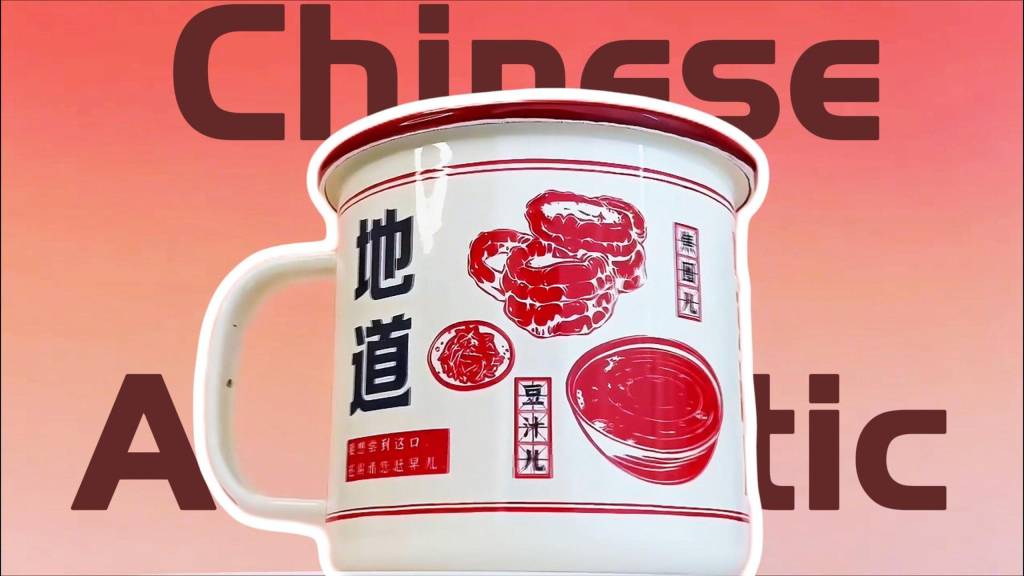
Table of ContentsEnamel
- Project Overview
- Technical Advantages
- Historical Background and Development
- Product Technical Data
- Applications and Achievements
- Conclusion
1. Project OverviewEnamel Products
Enamel products are created by fusing a glassy layer onto a metal surface through high-temperature firing, resulting in a smooth and durable coating. The history of enamel dates back to ancient Egypt, evolving through centuries of technological advancements and cultural shifts. This document explores the technical advantages, manufacturing processes, cultural heritage, and modern applications of enamel products, highlighting their evolution across eras and their new roles in contemporary design.
2. Technical AdvantagesTechnical Details of Enamel
Enamel technology combines the strength of metal substrates with the durability of glassy coatings, offering the following key benefits:
- High Heat Resistance: Enamel coatings can withstand temperatures above 500°C, making them suitable for cookware, appliances, and industrial equipment.
- Corrosion Resistance: The non-porous structure of the enamel layer effectively resists acidic and alkaline substances, making it ideal for chemical environments.
- Wear Resistance: The high-temperature-fired enamel surface is extremely durable and resistant to abrasion, ensuring long-term performance.
- Eco-Friendly and Safe: Enamel products do not release harmful substances and meet health and environmental standards, making them ideal for food-contact applications.
3. Historical Background and Development
The history of enamel spans thousands of years. Early enamel techniques emerged in ancient Egypt and saw further refinement during the Mycenaean civilization (13th–11th centuries BCE). In Europe, enamel painting techniques based on copper substrates appeared in the mid-15th century and later spread to China, reaching their peak during the Qing Dynasty.
With the Industrial Revolution and advancements in production technology, 19th-century cast-iron enamelware became widely available to the general public. Today, enamel products emphasize not only functionality but also artistic and lifestyle aesthetics, with innovative designs giving them a modern cultural identity.
4. Product Technical Data
Modern enamel products adhere to well-established technical standards, with the following typical specifications:
- Heat Resistance: Withstands temperatures exceeding 500°C.
- Corrosion Resistance: High stability in acidic and alkaline environments, minimizing oxidation risks.
- Surface Hardness: Fired enamel layers achieve a Mohs hardness of 7–8, comparable to glass.
- Food Safety: Complies with FDA and EU food safety standards, making them suitable for direct food contact.
5. Applications and Achievements
Enamel products are widely utilized globally across various industries. Representative achievements include:
- Household Products: Items like enamel mugs and bowls maintain stable sales in European and Asian markets, with the resurgence of retro trends boosting their popularity among younger consumers.
- Industrial Applications: Enamel technology is extensively used in the chemical, pharmaceutical, and food processing industries, offering corrosion resistance and long service life.
- Artistic Works: China’s cloisonné (jingtailan) has been recognized as an Intangible Cultural Heritage by UNESCO, demonstrating enamel craftsmanship’s excellence in the arts.
6. Conclusion
The historical background and cultural evolution of enamel products reflect technological progress and the blending of different cultures. With continuous innovation, enamel products are poised for broader applications in the future while showcasing their unique cultural value and craftsmanship in the realm of art and design.
 custom beer mugs
發表留言