



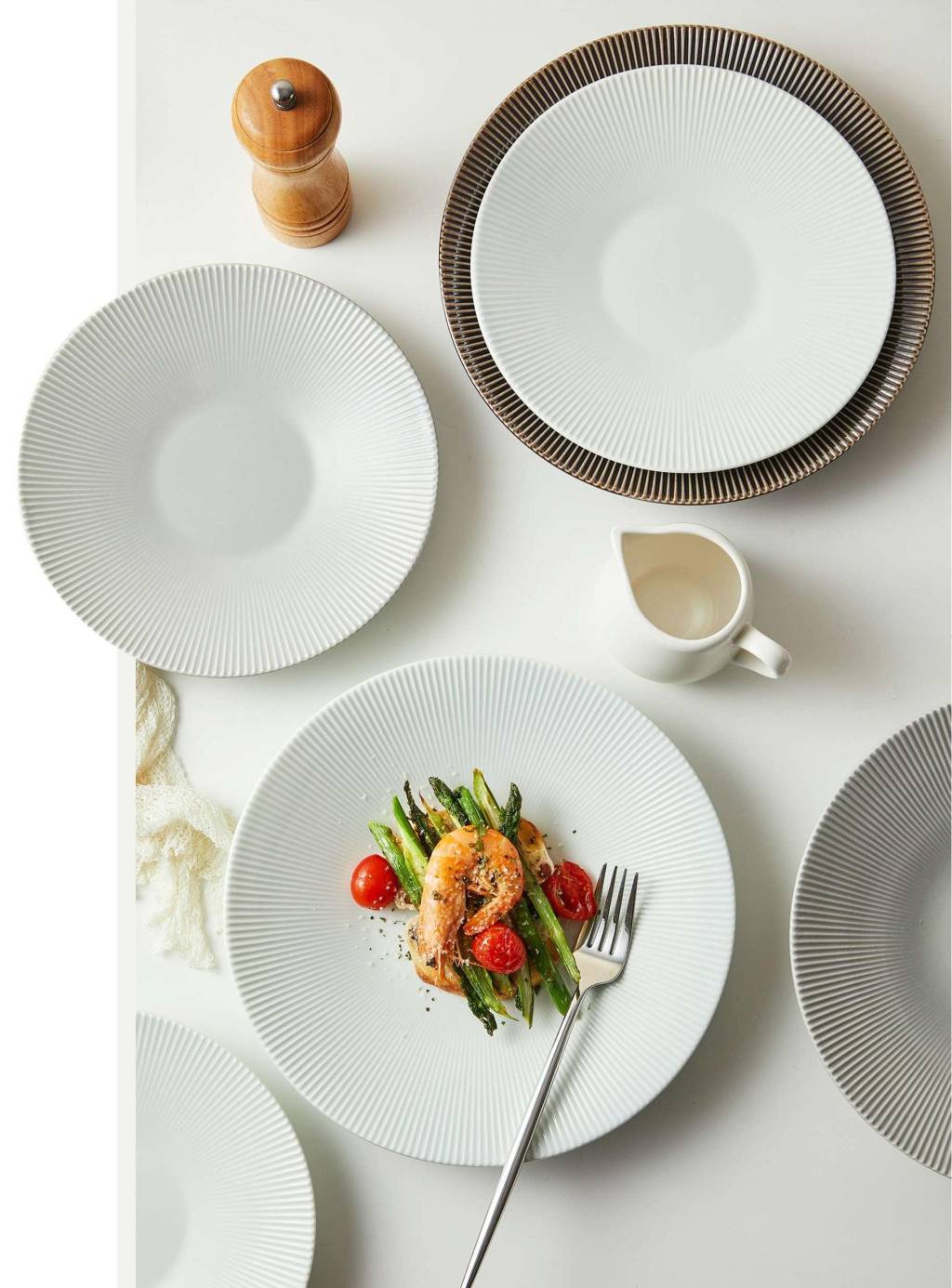
1.Introduction: The Heritage and Innovation of Ceramics
Ceramics, an ancient craft combining both functionality and artistry, has been an integral part of human culture for centuries. From early utilitarian vessels to exquisite works of art, ceramics not only bear witness to the evolution of civilizations but also reflect the social and cultural contexts of various eras. In the 21st century, the traditional techniques of ceramic craftsmanship and modern design innovations present a striking contrast, offering a wide array of possibilities. How do traditional craftsmanship and modern innovations together shape the future of ceramics?
2.The History and Cultural Significance of Traditional Ceramics
2.1 Craftsmanship Features
Traditional ceramic craftsmanship heavily relies on manual techniques such as wheel throwing, hand building, and carving. Skilled artisans use their hands and tools to transform raw clay into beautiful works of art. These techniques emphasize the use of natural materials, including clay and mineral-based glazes, giving ceramics a warm, rustic character.
2.2 Cultural Heritage
In China, celadon and porcelain represent not only technological advancements but also serve as carriers of cultural heritage. Celadon’s delicate glaze and white porcelain’s pristine surface symbolize the peak of Chinese ceramic craftsmanship. These ceramics traveled westward along the Silk Road, spreading Eastern culture to the West. Similarly, Japan’s Karatsu ware and Raku pottery are deeply rooted in tea ceremony culture, showcasing the “wabi-sabi” aesthetic, which embraces simplicity, imperfection, and transience. European majolica, with its vivid colors and intricate patterns, reflects the artistic aspirations of the Renaissance. These diverse ceramic traditions and artistic styles are not only showcases of each country’s craftsmanship but also important mediums for global cultural exchange.
2.3 Challenges and Limitations
Despite its irreplaceable artistic value, traditional ceramic craftsmanship faces various challenges. The process of creating traditional ceramics is time-consuming and requires highly skilled craftsmanship. Artisans must spend years honing their techniques. Moreover, because the production cycle is long and output is limited, traditional ceramics struggle to keep up with the fast-paced demands of modern markets. However, this low-output, high-quality nature is what gives traditional ceramics their unique artistic appeal in the contemporary market.
3.Technological and Design Innovations in Modern Ceramics
3.1 Technological Advancements
After the industrial revolution, ceramics entered a new era of mechanized production. Modern ceramic production no longer relies solely on handcrafting; automated production techniques and machinery have significantly improved efficiency. Additionally, the use of new materials such as bone china, high-strength ceramics, and transparent ceramics has enhanced the functionality and adaptability of ceramics. More importantly, 3D printing and AI-assisted design technologies have introduced unprecedented creativity and flexibility to the ceramic craft. These technologies not only increase design precision but also make ceramics more diverse in form and function, breathing new life into the craft.
3.2 Design Trends
Modern ceramic design emphasizes minimalism, personalization, and functionality. For example, Nordic minimalist ceramic pieces, characterized by clean lines and soft tones, have become widely popular. This design ethos focuses on “less is more,” eliminating unnecessary ornamentation while highlighting the natural texture of ceramics. At the same time, designers are becoming more liberated in their use of colors, creatively transforming ceramics into symbols of fashion and lifestyle. Whether it’s tableware, teapots, or art pieces, modern ceramic design has moved away from traditional forms, embracing creativity, freedom, and individuality.
3.3 Environmental Awareness
As environmental consciousness grows, modern ceramic craftsmanship places increasing emphasis on sustainability and eco-friendly design. Many ceramic designers use renewable materials, optimize energy use, and adopt “zero-waste" design practices to minimize waste. Ceramic manufacturers are also incorporating sustainable production methods. The demand for eco-friendly products is driving the ceramics industry toward more sustainable practices, making it possible for ceramic craftsmanship to integrate modern environmental values.
4.The Fusion of Traditional and Modern Craftsmanship: A Dialogue Between Culture and Innovation
4.1 Revival of Traditional Techniques in Modern Design
Many designers are integrating traditional handcraft techniques into modern ceramic products, creating pieces that reflect both the charm of traditional craftsmanship and modern aesthetics. For example, contemporary tableware featuring Chinese blue-and-white porcelain elements combines the cultural significance of traditional ceramics with the sleek, practical design favored by today’s consumers. By blending handcraft with modern production technologies, these ceramic pieces strike a harmonious balance between tradition and modernity.
4.2 Cultural Exchange and Fusion
In an increasingly globalized world, ceramic design is continuously absorbing elements from various cultures, resulting in cross-cultural designs. Western designers, for instance, have drawn inspiration from Eastern ceramics’ “negative space” techniques to create contemporary ceramics that carry an Eastern aesthetic. This cultural fusion broadens the horizons of ceramic design, allowing ceramic products to enter international markets more effectively.
4.3 Driven by Market Demands
With globalization driving diversity in markets, consumer demands for ceramics have become more varied. While traditional ceramics continue to hold value due to their cultural significance and historical legacy, modern ceramic designs cater to contemporary consumers’ desire for fashion and individuality. The fusion of traditional and modern ceramics responds to the dynamic needs of the global market.
5.Conclusion: The Heritage and Future of Ceramic Craftsmanship
Ceramic craftsmanship is not only a witness to history but also an explorer of the future. From traditional handcraft to modern technological innovations, ceramic craftsmanship has evolved and integrated, creating endless possibilities for the future. As environmental values deepen and global cultures blend, ceramic craftsmanship will continue to play a significant role in art, design, and daily life. Whether through the cultural value of traditional craftsmanship or the innovative spirit of modern design, both will continue to define the unique charm of ceramics.
 custom beer mugs
發表留言