



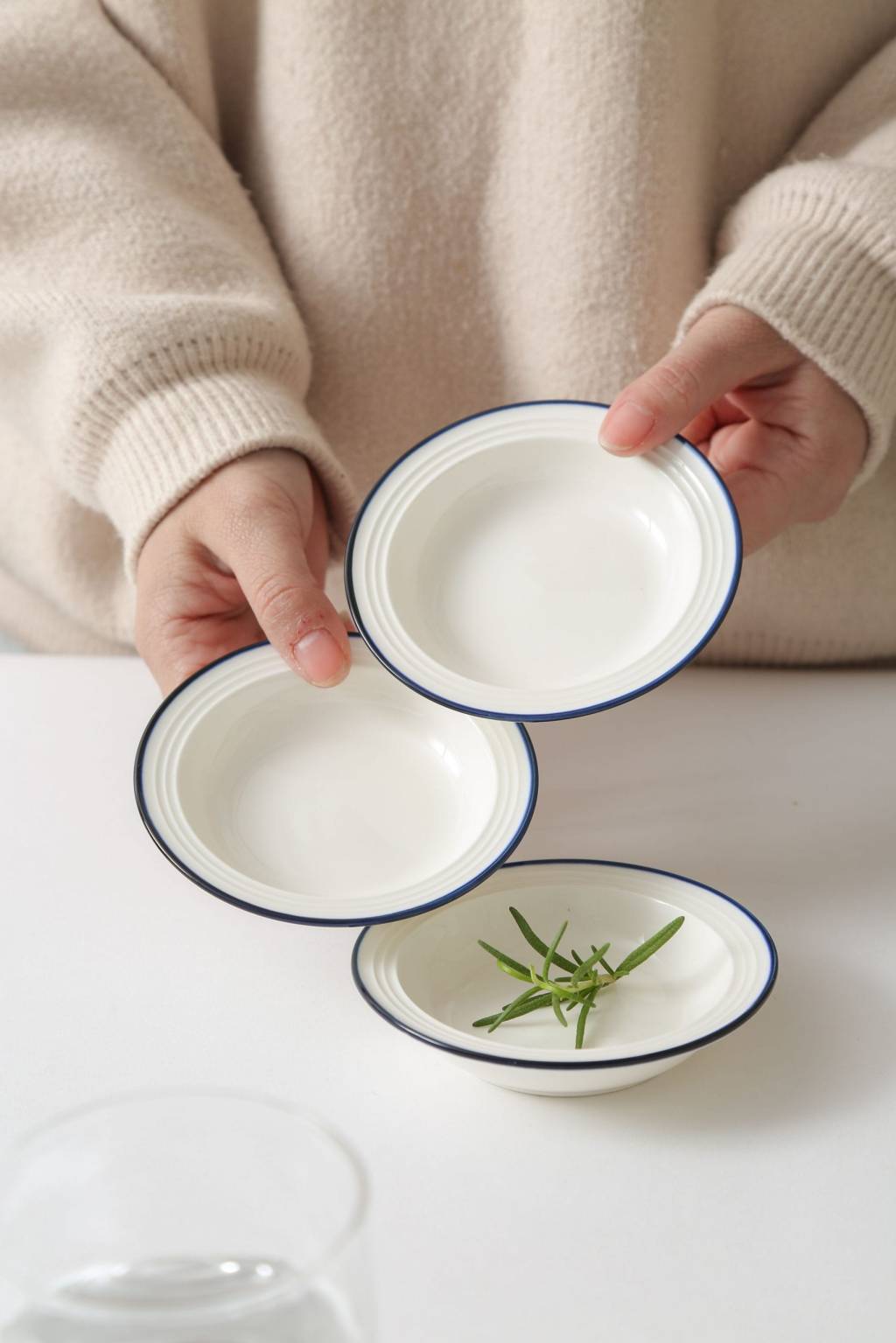
1.Introduction: The Glorious Chapter of Ceramics and Chinese Civilization
Definition and Importance
Ceramics are one of the most iconic cultural symbols of China, combining both practicality and artistry. Beyond serving as everyday items, Chinese ceramics embody the essence of Chinese culture. From the colorful pottery of the Neolithic era to the refined porcelain of the Song and Ming dynasties, Chinese ceramics have had a profound impact on the global art world.
Core Theme
This article provides an overview of the origins, development, and global influence of Chinese ceramics. Through a deep dive into the history and culture of Chinese ceramics, readers can gain a greater appreciation for the significance of this ancient craft.
2.Origins and Early Development of Ceramics (Neolithic – Shang and Zhou Dynasties)
2.1 Beginnings in the Neolithic Era
The earliest ceramic artifacts in China date back to around 10,000 years ago. Represented by cultures like the Yangshao and Longshan, early pottery included painted and black ware used for storage, cooking, and religious rituals.
2.2 Ceramics in the Bronze Age (Shang and Zhou Dynasties)
During the Shang dynasty, gray pottery emerged, and by the Zhou dynasty, the first forms of porcelain were produced. Technological advances like wheel-made pottery and early firing techniques laid the foundation for the production of porcelain in later centuries.
3.The Origins and Development of Porcelain (Eastern Han to Tang Dynasty)
3.1 Early Porcelain in the Eastern Han Dynasty
Porcelain emerged in the Eastern Han Dynasty, with celadon pottery from the Yue Kiln becoming a prominent representative. The development of high-temperature firing techniques marked a significant breakthrough in porcelain craftsmanship.
3.2 Flourishing Ceramics in the Tang Dynasty
The Tang Dynasty saw the flourishing of ceramics, especially with the coexistence of greenware from the Yue Kiln and white porcelain from the Xing Kiln. Tang Dynasty also witnessed the global export of ceramics, making it a key item in trade along the Silk Road.
4.The Golden Age of Ceramics: Song to Yuan Dynasty
4.1 The Five Famous Kilns of the Song Dynasty
The Song Dynasty represented the peak of Chinese porcelain craftsmanship, with the Five Famous Kilns (官窑, 汝窑, 钧窑, 定窑, 哥窑) setting the standard for artistry and elegance. These kilns created porcelain characterized by simplicity and technical sophistication.
4.2 The Birth of Blue-and-White Porcelain in the Yuan Dynasty
The Yuan Dynasty saw the emergence of blue-and-white porcelain, with Jingdezhen becoming the center of porcelain production. The use of cobalt blue from the Middle East revolutionized Chinese porcelain, making it a globally recognized symbol of Chinese artistry.
5.The Pinnacle of Ceramics and Global Influence in the Ming and Qing Dynasties
5.1 The Diversification of Ming Ceramics
During the Ming Dynasty, Jingdezhen’s imperial kiln became the center of porcelain production. The period saw the flourishing of blue-and-white porcelain and polychrome porcelain, which had a significant impact on global ceramic markets.
5.2 The Refinement of Qing Ceramics
The Qing Dynasty is known for its highly refined porcelain, with innovations like enamel-painted porcelain (famille rose, famille verte) that set new standards for artistry and craftsmanship.
6.Modern Transformation and Innovation (Late Qing to Contemporary)
6.1 Decline and Transformation in the Late Qing and Republic Periods
The Qing Dynasty’s late years saw a decline in traditional ceramic production due to war and industrialization. However, new technologies and mass production gradually transformed the ceramic industry.
6.2 Post-1949 Revival
Following the establishment of the People’s Republic of China, traditional porcelain centers like Jingdezhen were revitalized, while modern technologies and artistic styles began to influence the ceramics industry.
6.3 Globalization of Contemporary Ceramics
Chinese ceramics have become a global art form, with contemporary designs and environmentally sustainable production techniques becoming central to modern ceramic trends.
7.The Global Impact of Chinese Ceramics
7.1 Export and Cultural Exchange
The export of Chinese ceramics, through the Silk Road and maritime trade routes, played a significant role in the spread of Chinese culture worldwide. Porcelain became not only a symbol of Chinese craftsmanship but also a cultural ambassador.
7.2 “China" and “Porcelain" as Synonyms
The term “China" has become synonymous with porcelain in many languages, highlighting the profound impact that Chinese ceramics have had on global culture.
8.Conclusion: The Legacy and Future of Chinese Ceramics
Legacy
Chinese ceramics have evolved from simple utilitarian objects to exquisite works of art, representing the fusion of functional design and aesthetic mastery.
Future
The future of Chinese ceramics lies in the integration of traditional craftsmanship with modern design and sustainability, ensuring that Chinese ceramics continue to thrive on the world stage.
 custom beer mugs
發表留言