


Introduction: Ceramic Production Process and Cultural Significance
Ceramics are an ancient material widely used around the world for thousands of years. From ancient Chinese blue-and-white porcelain to modern artistic ceramics, ceramic craftsmanship not only carries rich cultural history but also embodies a fusion of technology and art. The ceramic production process is intricate and requires meticulous craftsmanship at each step. With the progress of modern technology, the production process of ceramics has undergone many innovations, while still preserving many traditional techniques. This article will delve into the ceramic production process and reveal the unique value behind each step of ceramic craftsmanship.
Raw Materials and Processing
The quality of ceramics largely depends on the selection and processing of raw materials. Commonly used raw materials for ceramics include kaolin, quartz, and feldspar. Kaolin is a white clay mineral rich in alumina, known for its excellent plasticity and often used as the base material for making porcelain. Quartz, a hard mineral, is primarily used to enhance the strength and heat resistance of ceramics. Feldspar acts as a flux to help lower the temperature during firing. Raw materials undergo processes such as crushing, sieving, and mixing to ensure uniformity and suitability for subsequent processing.
Body Preparation
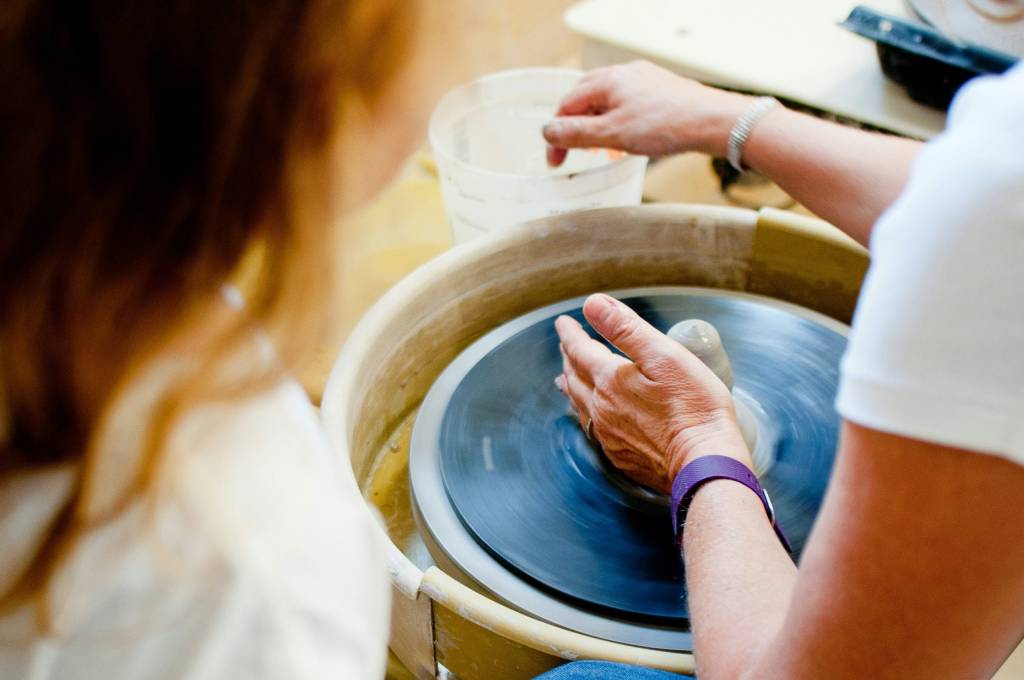
The ceramic body refers to the clay material before forming, which serves as the foundation for ceramic products. Common body materials include plastic clay and slip clay. Plastic clay is suitable for hand-forming or wheel-throwing, while slip clay is used for mold casting. The key during preparation is to ensure the uniformity and proper moisture content of the body, preventing cracks or deformations during the forming process.
Glaze and Preparation
Glaze is a material applied to the surface of ceramics that forms a smooth surface after firing at high temperatures. The main components of glaze typically include silicates, aluminosilicates, and metal oxides. Depending on the requirements, glazes can be prepared in various forms such as transparent, opaque, or special effect glazes. The preparation of glazes involves mixing, filtering, and coloring to ensure suitability for different types of ceramic products.
Forming
Ceramic forming methods include hand-forming, slip casting, compression molding, and mechanized forming. Each forming method has its characteristics, and the choice of the suitable forming method depends on the design and functional requirements of the ceramic product. Hand-forming is suitable for small batches and personalized ceramics, while mechanized forming is ideal for mass production. Key points during forming include maintaining uniform thickness and preventing the formation of air bubbles.
Drying and De-plasticizing
After forming, the body needs to be dried to prevent cracking or deformation during the firing process. Drying methods include natural drying and kiln drying. Natural drying requires controlling the environmental temperature and humidity to avoid uneven drying that can lead to cracks. De-plasticizing is the process of removing excess moisture and impurities from the body by heating and vibrating, ensuring the body becomes firmer.
Firing
Firing is a crucial stage in ceramic production. High-temperature firing not only makes the ceramic product harder and more dense but also brings out its unique gloss and color. The firing process typically includes bisque firing and glaze firing. Bisque firing is the first heating stage, mainly to remove moisture and organic material, while glaze firing occurs after bisque firing to fuse the glaze with the surface of the ceramic. Temperature control is vital during firing, as different types of ceramics require different firing temperatures, with porcelain typically being fired at around 1200°C.
Decoration, Processing, and Modification
Ceramic decoration techniques include underglaze painting, overglaze painting, decal application, and carving. These techniques significantly enhance the artistic value of ceramic products. Underglaze painting involves applying pigments directly to the body, which is fused during glaze firing. Overglaze painting applies pigments to the glazed surface and is typically completed by low-temperature firing. Carving involves finely etching patterns and details into the ceramic surface. Additional processing such as polishing, grinding, and engraving can further enhance the ceramic’s fine details. Modern ceramics also involve modification techniques such as high-temperature-resistant ceramics and antibacterial ceramics to improve their functionality and durability.
Conclusion: Mastery and Future of Ceramic Production
Ceramic production is a craft that integrates science and art, with each step being crucial. From raw material selection to final decoration, every step requires detailed craftsmanship. With the continuous progress of technology, ceramic craftsmanship is constantly innovating and evolving, with environmental concepts increasingly integrated into ceramic production, promoting trends in sustainable ceramic manufacturing. In the future, ceramic craftsmanship will continue to merge innovation in functionality, artistry, and sustainability, embracing new development opportunities.
 custom beer mugs
發表留言