



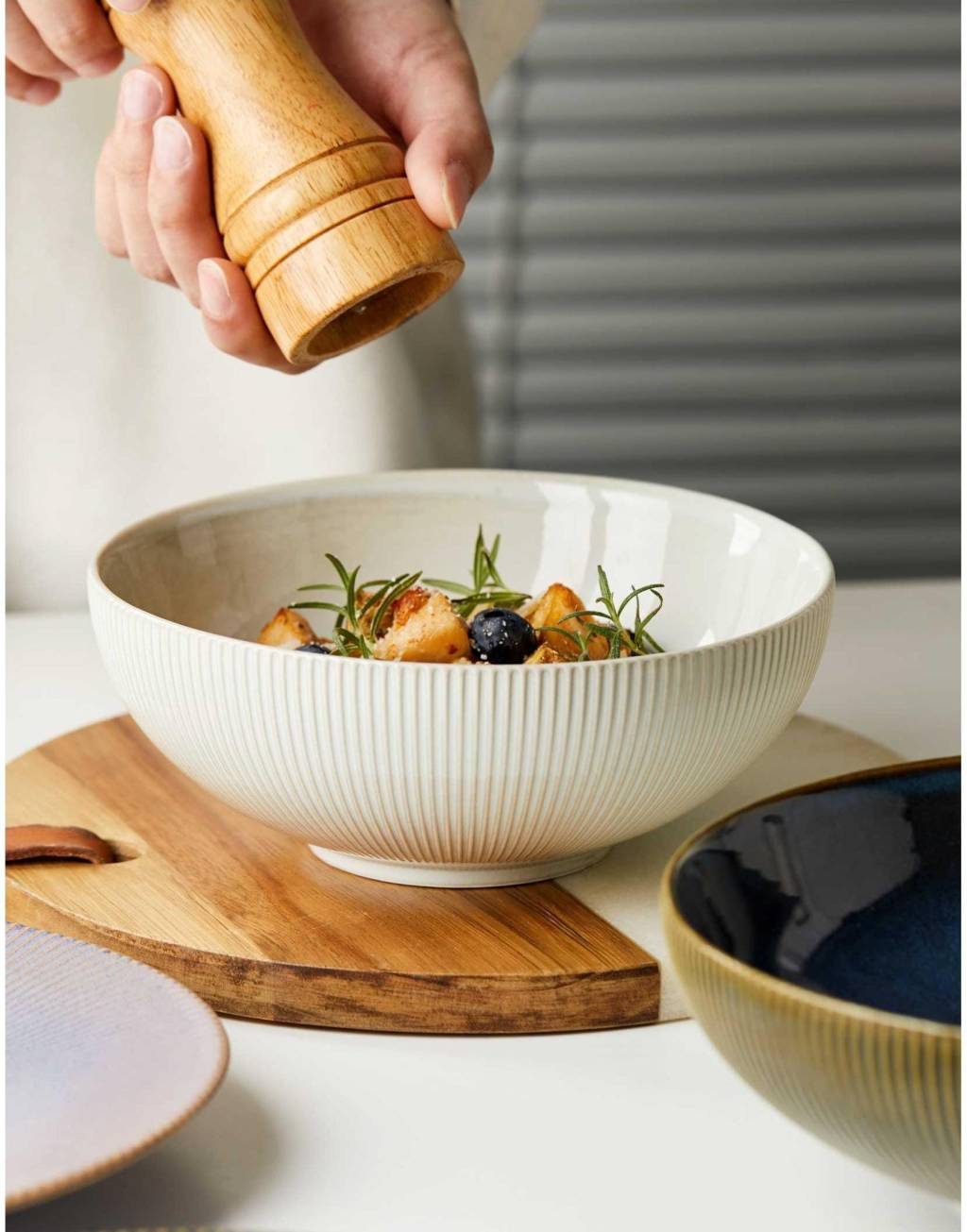
Introduction:Blending Heritage and Innovation: The Story of European Ceramics
Ceramics have been an integral part of European culture for centuries, reflecting artistic evolution, societal values, and technological advancements. From the elaborate pottery of ancient civilizations to today’s innovative ceramic designs, the journey of European ceramics is a fascinating narrative of tradition and modernity. This article explores the evolution of ceramic craftsmanship in Europe, focusing on its historical significance, cultural legacy, modern design trends, and sustainability efforts, aiming to inspire a deeper appreciation for this timeless art form.
1.1 The Dawn of Ceramic Art
Neolithic Beginnings: The earliest ceramics in Europe, dating back to the Neolithic era, were primarily functional items such as pots and tools, reflecting the practical needs of early societies.
Cultural Significance: Pottery from ancient Greece and Rome, including amphorae and terra sigillata, showcases how ceramics evolved into symbols of artistic expression and social status.
1.2 The Medieval Revival
Regional Techniques: During the Middle Ages, European ceramics flourished through regional techniques such as painted pottery and glazing, which laid the groundwork for the Renaissance’s ceramic artistry.
Religious and Cultural Impact: Monastic kilns, for example, produced ceramics that reflected both religious influence and cultural aesthetics.
2.1 Renaissance Ceramic Art
The Rise of Italian Pottery: Majolica ceramics, with their intricate designs and vibrant colors, became emblematic of Renaissance artistry.
Art and Functionality: Ceramics of this era evolved from purely functional items to objects that merged practicality with artistic appeal.
2.2 The Impact of the Industrial Revolution on Ceramics
Mass Production and Standardization: The Industrial Revolution introduced mechanized production to ceramics, making products more uniform and affordable.
Innovative Materials: The invention of bone china further cemented Europe’s influence on the global ceramic market.
3.1 Design Trends and Cultural Expression
Minimalism and Functionality: Modern ceramics emphasize minimalist designs and functionality, aligning with contemporary consumer aesthetics.
Cultural Fusion: Designers often incorporate traditional cultural elements to imbue modern ceramics with deeper cultural significance.
3.2 Eco-Friendly Design Concepts
Use of Sustainable Materials: The modern ceramic industry prioritizes recyclable materials to reduce environmental impact.
Green Production Techniques: Low-energy technologies and eco-friendly glazes are used to achieve sustainability.
4.1 The Revival of Handmade Ceramics
Personalization and Artistry: Handmade ceramics are favored by modern consumers for their uniqueness and artistic value.
Cultural Heritage: Handmade craftsmanship serves as a vital way to preserve traditional culture.
4.2 Innovation-Driven Future
Technological Integration: 3D printing and smart ceramics are reshaping how ceramics are designed and produced.
Globalization: The global market continues to demand ceramics that blend traditional and modern designs.
Conclusion
The history of European ceramics reflects a seamless blend of traditional craftsmanship and modern innovation. By pursuing artistry, functionality, and sustainability, ceramic craftsmanship continues to break boundaries, shaping a more diverse and sustainable future. Through the fusion of heritage and innovation, European ceramics will continue to showcase their unique charm on the global stage.
 custom beer mugs
發表留言