


Introduction:Ceramic Evolution A Journey Through Time and Innovation
Ceramics, an ancient art form, has continuously evolved alongside human civilization. From its origins in practical utility to its modern incarnation as a medium for innovation and artistic expression, ceramics reflect cultural shifts and technological advancements. This article explores the evolution of ceramics through four key dimensions: its historical origins, cultural significance, modern design trends, and sustainability efforts. By delving into the intersection of tradition and innovation, we aim to uncover how ceramics continue to shape and be shaped by human creativity.
1. The Historical Foundations of Ceramics
1.1 Early Beginnings and Practicality
- Ancient Utilitarian Roots: The first ceramics, dating back to prehistoric times, were primarily utilitarian objects such as pots, jars, and tools. These creations were essential for storing food and water, symbolizing humanity’s ingenuity.
- Regional Variations: Early ceramic styles were deeply influenced by geography, with distinct traditions emerging in Europe, Asia, and the Americas.
1.2 Ceramics in Classical Civilizations
- Greek and Roman Contributions: Classical ceramics, like Greek amphorae and Roman terra sigillata, were not only functional but also artistic, showcasing intricate designs and innovative techniques.
- Cultural Storytelling: These ceramics often depicted myths, daily life, and societal values, making them a vital record of ancient cultures.
1.3 Medieval and Renaissance Developments
- Religious Symbolism: During the Middle Ages, ceramics were used to create tiles and vessels adorned with religious motifs.
- The Rise of Artistic Expression: The Renaissance brought a resurgence in ceramic artistry, exemplified by the vibrant Italian majolica and Delftware in the Netherlands.
2. Cultural Legacy and Ceramic Craftsmanship
2.1 The Role of Ceramics in Cultural Identity
- Ceramics as Storytellers: Across cultures, ceramics have served as a canvas for artistic narratives, preserving traditions and values.
- Symbol of Status and Wealth: In many societies, intricately designed ceramics were symbols of affluence and refinement.
2.2 Traditional Ceramic Techniques
- Handcrafting and Kiln Techniques: Techniques like wheel-throwing, slip casting, and glazing have been refined over centuries, blending artistry with craftsmanship.
- Cultural Variations: For example, the Chinese porcelain trade significantly influenced European ceramic styles during the 17th century.
2.3 Preservation of Tradition
- Reviving Old Techniques: Contemporary artisans are reviving ancient methods to preserve cultural heritage while adapting them to modern tastes.
- Cultural Festivals and Museums: Institutions worldwide are dedicated to showcasing ceramic traditions, ensuring they remain relevant.
3. Modern Ceramic Design and Innovation
3.1 Design Trends in Contemporary Ceramics
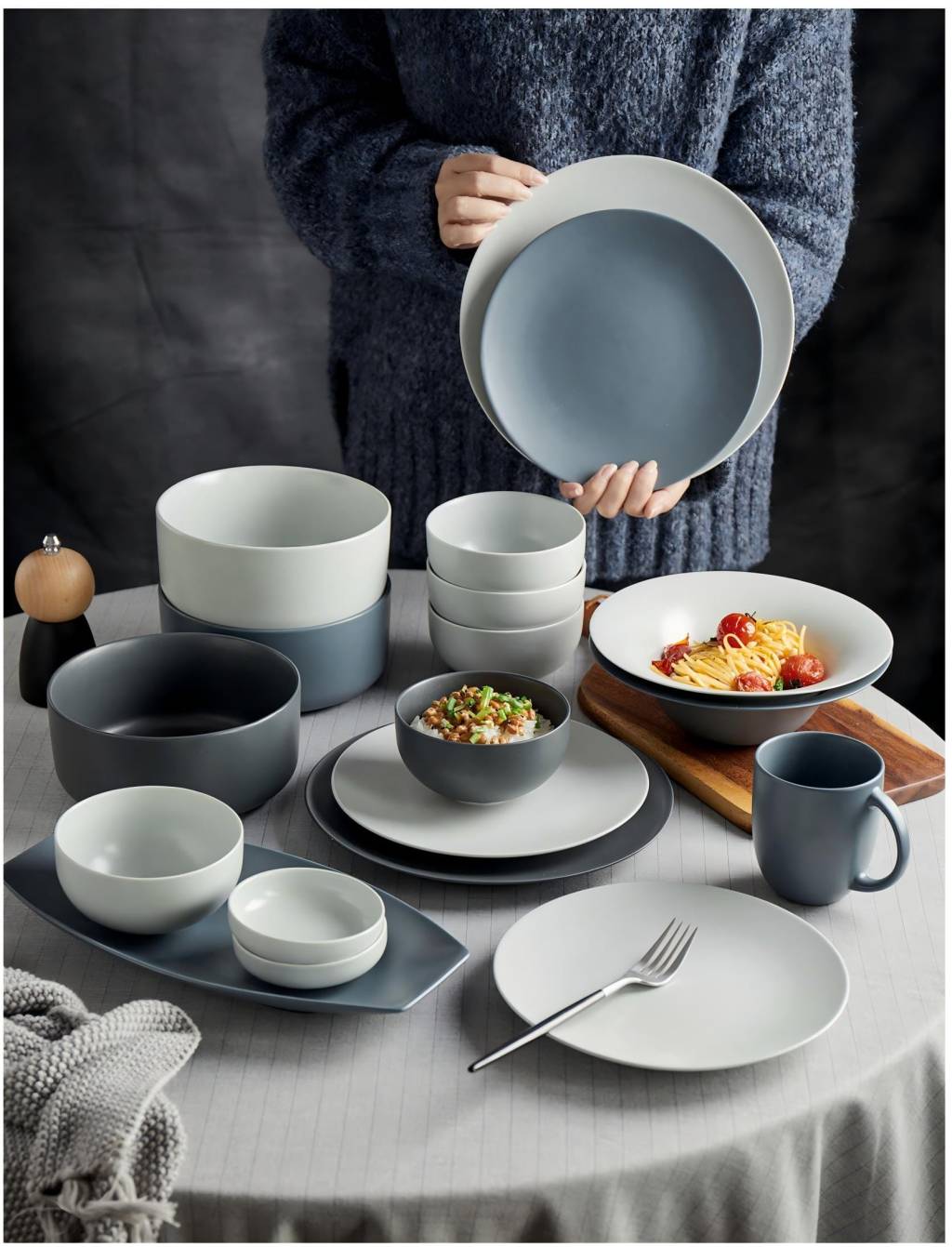
- Minimalism and Functionality: Modern ceramics often emphasize clean lines and practical utility, catering to contemporary lifestyles.
- Fusion of Styles: Designers blend traditional aesthetics with modern sensibilities, creating timeless pieces that appeal to diverse audiences.
3.2 Technological Innovations
- 3D Printing in Ceramics: Advances in 3D printing allow for intricate designs and personalized products, transforming the ceramic manufacturing process.
- Smart Ceramics: Emerging technologies have enabled the development of heat-resistant, self-cleaning, and even electronic ceramics, expanding their applications.
3.3 Artistic Experimentation
- Ceramics as Art: Modern artists increasingly use ceramics as a medium for creative expression, challenging conventional boundaries.
- Interactive Installations: Ceramic art installations are becoming popular in galleries and public spaces, engaging audiences in novel ways.
4. Sustainability and the Future of Ceramics
4.1 Eco-Friendly Materials and Practices
- Sustainable Resources: Modern ceramics use recyclable materials like clay and eco-friendly glazes to minimize environmental impact.
- Green Manufacturing: Energy-efficient kilns and reduced emissions are becoming standard in ceramic production.
4.2 Ceramics in a Circular Economy
- Durability and Reusability: Ceramics are inherently durable, reducing waste by serving as long-lasting alternatives to disposable materials.
- Upcycling and Repurposing: Artists and designers are repurposing old ceramics into new creations, embracing the principles of a circular economy.
4.3 Vision for the Future
- Cultural Sustainability: Efforts to preserve traditional craftsmanship ensure that ceramics continue to represent cultural identities.
- Innovative Collaborations: Partnerships between artisans, scientists, and environmentalists will likely drive the future evolution of ceramics.
Conclusion
The journey of ceramics from its ancient roots to its modern, innovative forms is a testament to human creativity and adaptability. Balancing tradition with modernity, ceramics embody a rich cultural heritage while embracing cutting-edge design and sustainability practices. As this timeless art form continues to evolve, it promises to inspire future generations with its enduring beauty and relevance.
 custom beer mugs
發表留言