



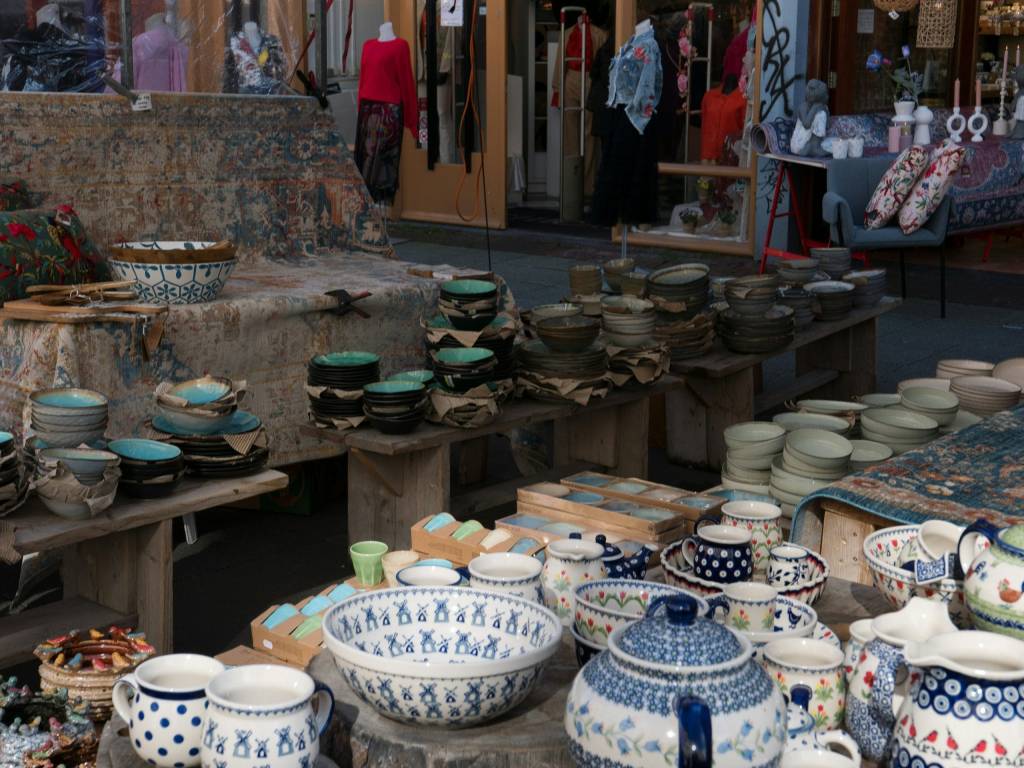
Introduction: The Origin and Importance of Ceramics
Ceramics, one of humanity’s earliest innovations, are deeply interwoven with human history. From functional tools to artistic masterpieces, ceramics have profoundly shaped daily life and cultural expression. This article explores a pivotal question: How did ceramics travel from their origins in Asia and Europe to America, evolving into an integral part of American life? By examining this journey through historical, trade, and cultural lenses, we reveal how ceramics transitioned from a luxury to a staple of American society.
The Historical Background of Ceramics in America
- Early European Influence
The arrival of European settlers in the New World marked the beginning of ceramics in America. These settlers brought pottery traditions from Europe, including the famed Staffordshire ceramics from England and Delftware from the Netherlands. These wares were not only functional but also status symbols for the wealthy in colonial America.
The ceramic pieces from Europe often mirrored the artistic and cultural values of their origins, blending into colonial lifestyles. For example, Staffordshire ceramics—renowned for their durability and artistry—were prized possessions among affluent households. Similarly, Delft blue ceramics, with their iconic cobalt-blue patterns, introduced an aesthetic dimension to utilitarian items.
- The Initial Entry of Chinese Porcelain
While European ceramics made their mark, Chinese porcelain captivated the American imagination as a luxury item. These wares, often blue-and-white or intricately painted, reached America indirectly through European East India Companies. Transported via trade hubs like Amsterdam and London, Chinese porcelain became symbols of cultural sophistication and social status.
By the 18th century, Americans associated Chinese ceramics with prestige. Wealthy families showcased imported porcelain to reflect their taste and affluence. This trend underscored how global trade routes shaped American consumer preferences even before independence.
- Post-Independence Direct Importation
The American Revolution reshaped the nation’s trade dynamics. Freed from reliance on European intermediaries, American merchants established direct trade routes with China. These routes, epitomized by the famed China trade, enabled U.S. ships to bring custom-export porcelain directly to American shores.
Guangzhou (Canton) became a vital trading hub where American merchants sourced “Canton porcelain" and bespoke wares tailored to Western tastes. These ceramics often bore Western motifs, reflecting how Chinese artisans adapted to new market demands. This era marked the democratization of Chinese ceramics in America, as middle-class families began accessing these once-exclusive goods.
The Rise of the American Ceramics Industry
- European Immigrants and Technical Innovation
As the United States industrialized in the 19th century, European immigrants played a crucial role in the development of domestic ceramic production. These skilled artisans brought advanced pottery techniques and knowledge, laying the groundwork for an American ceramics industry.
Early centers of production emerged in states like Pennsylvania and Ohio, where rich clay deposits supported large-scale manufacturing. The influence of European craftsmanship was evident in the quality and design of early American ceramics, which often emulated European styles while incorporating local materials.
- The Popularization of Domestic Ceramics
By the mid-19th century, American ceramic manufacturers were producing affordable wares that competed with imports. This shift was driven by advancements in industrial production and a growing demand for practical, cost-effective household items. Domestic brands like Rookwood and Wedgewood (American operations) began emphasizing both functionality and aesthetics, appealing to a broad consumer base.
The affordability of American ceramics made them accessible to everyday families, gradually replacing imported goods in many homes. This shift marked a turning point where ceramics became ubiquitous in American households, transcending their previous association with luxury.
The Dissemination and Modernization of Ceramic Culture
- Cultural Exchange Through Exhibitions
The 19th century witnessed the elevation of ceramics from practical items to objects of cultural significance. Events like the World’s Fair and international art exhibitions introduced Americans to diverse ceramic styles from around the globe. These showcases fostered an appreciation for ceramics as an art form, highlighting their aesthetic and cultural value.
As a result, ceramics began occupying a dual role in American society: They were both functional household items and decorative artifacts. This transformation reflected broader cultural trends, where everyday objects were imbued with artistic meaning.
- The Impact of Globalization on Ceramics
The 20th century brought globalization, which revolutionized the ceramic industry. Advances in transportation and communication enabled the seamless exchange of ideas and goods across continents. For American consumers, this meant unprecedented access to a diverse range of ceramic styles, from Japanese minimalism to Italian majolica.
Today, ceramics remain at the intersection of tradition and innovation. Cross-cultural design collaborations and market customization have expanded the boundaries of what ceramics can represent. From minimalist dinnerware to intricate decorative pieces, ceramics continue to adapt to evolving tastes and lifestyles.
Conclusion and Significance
- A Reflection of Trade and Cultural Integration
The story of ceramics in America mirrors the broader narrative of trade and cultural exchange. From colonial-era luxury imports to the rise of a robust domestic industry, ceramics reflect the evolving dynamics of globalization, consumer culture, and artistic expression.
- Ceramics in Contemporary America
In modern America, ceramics occupy a unique space as both functional and artistic objects. They serve as daily essentials while also enriching homes with their aesthetic appeal. This duality underscores the enduring relevance of ceramics in American life.
- Lessons for Trade and Cultural Exchange
The journey of ceramics offers valuable insights into the potential of international trade and cultural collaboration. By embracing diversity and fostering mutual exchange, industries can achieve innovation and growth while honoring their historical roots.
 custom beer mugs
發表留言