



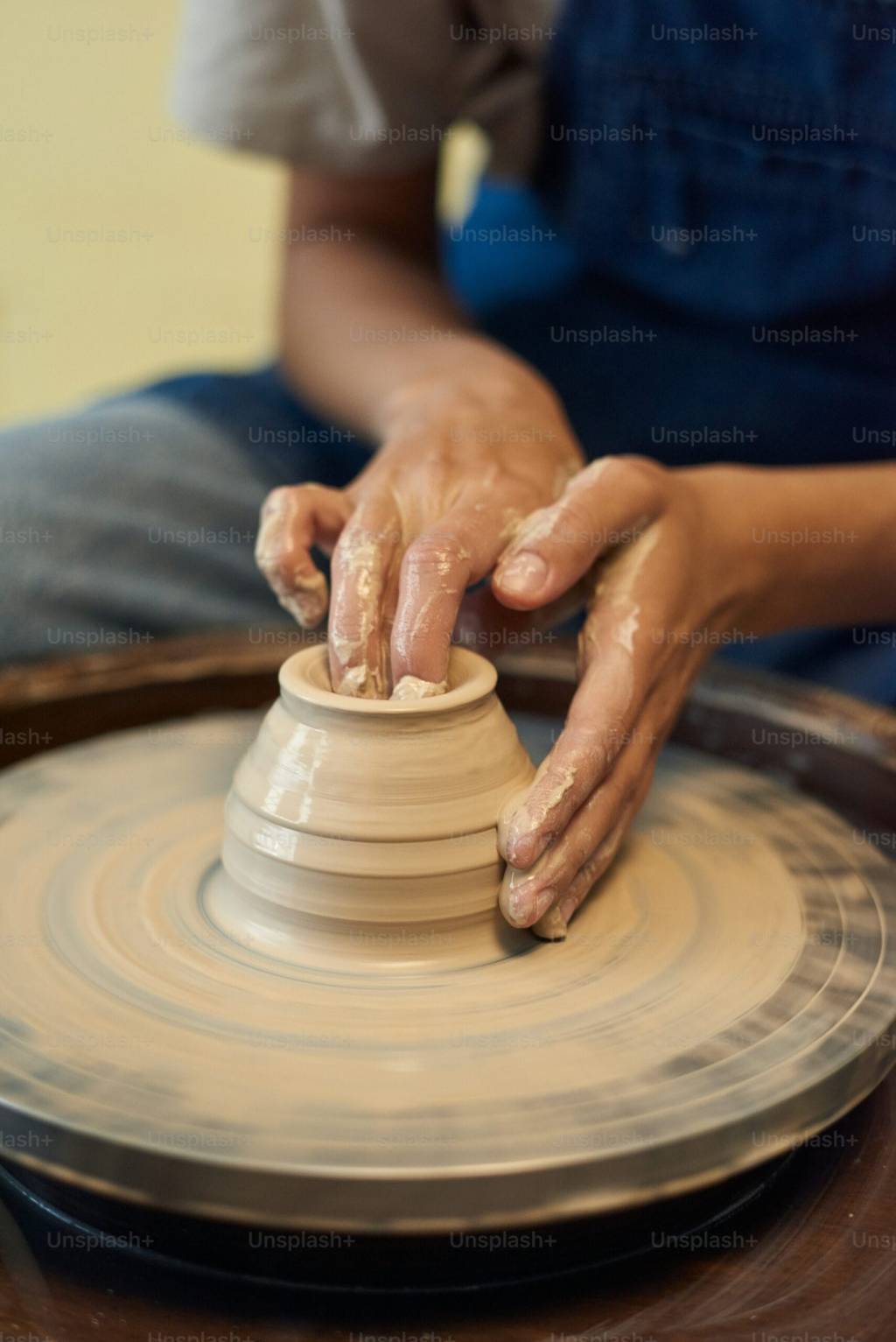
Ceramic craftsmanship
Ceramic craftsmanship is an art form that spans the past and the present, seamlessly blending millennial techniques with modern innovations. From everyday tableware to exquisite sculptures, ceramic craftsmanship is not only a reflection of practicality, but also a meeting point of creativity and culture. This article will delve into traditional techniques in ceramic craft, modern innovations, the rise of custom ceramics, the role of technology in production, and the preservation of cultural heritage.
Traditional ceramic craft techniques
Ceramic Craftsmanship: A Fusion of Tradition and Innovation
The basis of the ceramic process is derived from traditional techniques such as hand kneading, wheel forming and slip casting. Hand kneading is the oldest method, where craftsmen use their hands and simple tools to shape the clay, and each piece has a unique natural form. Wheel molding uses a potter’s wheel to create symmetrical utensils, such as bowls and vases, dating back thousands of years to ancient civilizations. Slip mold casting, on the other hand, achieves the unity of shape by injecting liquid clay into the mold. These technologies carry the historical and cultural heritage of ceramic craftsmanship. To learn more about traditional methods, visit the Traditional Ceramics Technology blog.
Innovations in modern ceramic technology
Although traditional techniques are at the heart of ceramic craftsmanship, contemporary artists are constantly pushing the boundaries. Experimental shapes, such as abstract sculptures and conceptual installations, challenge the traditional notion that ceramics are only utilitarian objects. The use of mixed media – such as metal, glass or fabric combined with ceramics – adds a new dimension to ceramic craftsmanship. In addition, non-traditional firing methods, such as blank firing or sagger firing, bring unpredictable textures and colors that make each piece unique. For more innovative content, check out the Artist Spotlight series.
The popularity of custom ceramic crafts
The popularity of custom
In recent years, custom ceramic processes have gained popularity. Artisans create personalized pieces according to the client’s needs, from unique cutlery sets to sculptures that reflect personal stories, satisfying people’s quest for unique objects. This trend is a reversal of mass-produced goods, both practical and artistic. Visit our Custom Ceramics page to learn how to bring your ideas to life.
The role of technology in the ceramic process
The role of technology
Technology is revolutionizing ceramic craftsmanship, especially in the field of customization. 3D printing technology enables intricate and precise designs, and CNC machining enables detailed patterns to be engraved. These tools increase the efficiency of small batch production while retaining the soul of handmade ceramic craftsmanship. Tradition and technology go hand in hand, expanding creative possibilities. For an in-depth look at the application of the technology, read the ceramic 3D printing article.
Preservation of the cultural heritage of ceramic crafts
Preservation of the cultural heritage
Despite the wave of innovation, the preservation of traditional ceramic craftsmanship remains crucial. Hand kneading and wheel forming are not only technology, but also cultural ties that connect us to our ancestors. Many artisans pass on these skills through workshops, ensuring that the legacy of ceramic craftsmanship lives on. At the same time, they incorporate traditional elements into modern designs, creating pieces that both pay homage to the past and look to the future. To discover how we pass on the culture of ceramics, visit the Cultural Preservation series.
epilogue
Ceramic craftsmanship is a testament to human creativity and adaptability. Whether through ancient or cutting-edge technology, ceramic craftsmanship is constantly evolving, offering endless possibilities for customization and expression. Whether it’s a love of tradition or a quest for innovation, this art is worth exploring.
 custom beer mugs
發表留言