



In modern urban life, Starbucks has become a symbol of coffee culture, attracting countless consumers to enjoy a meticulously brewed cup amid their busy schedules. However, the paper cups we casually use may pose hidden health risks, prompting a reevaluation of drinkware choices. This article explores the health hazards of microplastics in paper cups, analyzes the design and functional appeal of Starbucks’ collaborative double-layer ceramic mugs, and explains the value of ceramic drinkware in health and sustainable living from the ESG (Environmental, Social, and Governance) framework—particularly why ceramic products are considered sustainable. The aim is to raise consumer awareness of safe and sustainable drinkware.
Health Risks of Microplastics in Paper Cups: Warnings from Scientific Research
Scientific studies reveal that the plastic lining in single-use paper cups, such as polyethylene (PE) or polylactic acid (PLA), releases large amounts of microplastic particles when in contact with hot liquids. A 2023 study published in Environmental Science & Technology found that paper cups immersed in 85°C hot water for 15 minutes can release approximately 25,000 microplastic particles (particle size <5μm) into the beverage. Another 2025 study noted that when liquid temperatures exceed 80°C, the degradation rate of the paper cup lining accelerates significantly, releasing microplastics and additives like bisphenol A (BPA)-like compounds. These substances enter the body with coffee, potentially causing long-term health effects.
As environmental pollutants, microplastics pose significant health risks. Research shows that microplastics carry endocrine-disrupting chemicals (EDCs) that can mimic or block human hormone functions, leading to endocrine disruption. A 2022 paper in Nature Communications indicated that long-term exposure to microplastics may increase obesity risk by interfering with fat cell differentiation and metabolic regulation. Additionally, endocrine disruption is linked to skin issues, such as acne, due to hormonal changes stimulating excessive sebum gland secretion. Further studies warn that long-term microplastic accumulation may be associated with reproductive health issues and chronic disease risks. These findings encourage consumers to adopt safer drinking methods, such as using Starbucks’ in-store ceramic mugs or bringing their own, to reduce microplastic exposure.
Design and Functional Advantages of Starbucks Collaborative Double-Layer Ceramic Mugs
Starbucks Ceramic Mugs~Design Aesthetics and Brand Value
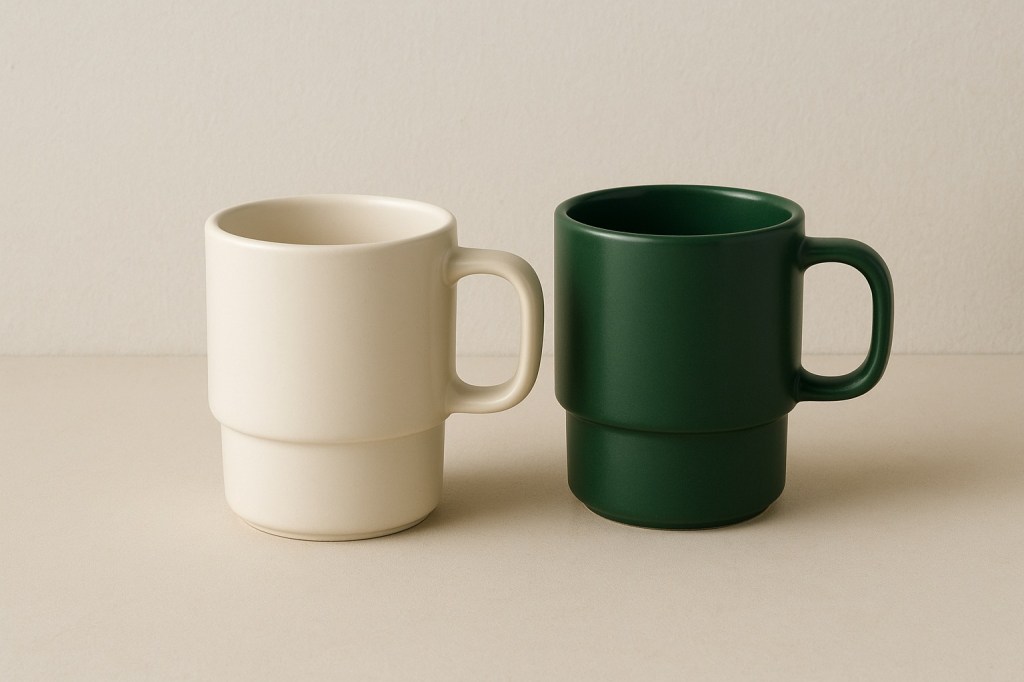
Starbucks is more than a coffee brand; it represents a culture and lifestyle. Its collaborative double-layer ceramic mugs blend aesthetics, functionality, and sustainability, making them popular market choices. Below is a professional analysis of their appeal:
1. Design Aesthetics and Brand Value
Starbucks’ collaborative mugs often partner with renowned brands or designers, such as limited-edition animated character collaborations or local-themed city cups, incorporating cultural and pop elements to attract collectors. The double-layer ceramic structure enhances visual layering and showcases premium texture through exquisite glazing techniques and pattern designs. These mugs transcend practical functions, serving as carriers for consumers to express personality and taste.
2. Health and Environmental Advantages
Ceramic, as a non-toxic and inert material, contains no plastic coatings or harmful chemicals, eliminating microplastic release risks. Starbucks promotes its bring-your-own-cup program with discounts, encouraging consumers to reduce single-use paper cup usage. A 2024 environmental impact assessment found that reusable ceramic drinkware reduces microplastic exposure to near zero while cutting down billions of paper cups discarded annually. Ceramic’s high heat resistance (withstanding over 200°C) ensures stability in high-temperature environments, making it suitable for coffee, tea, and other hot beverages.
3. Functionality and Durability
Double-layer ceramic mugs feature a hollow design that uses an air layer for insulation and heat preservation, preventing burns and maintaining beverage temperatures above 60°C for up to 30 minutes. Ceramic’s high hardness and corrosion resistance make it far more durable than glass or plastic cups, with an average lifespan of 5–10 years. The unique designs of collaborative mugs also provide emotional value, enhancing consumer loyalty to the brand.
Sustainability Value of Ceramic Drinkware: Embodiment of the ESG Framework
In an era emphasizing sustainable development, the ESG (Environmental, Social, and Governance) framework serves as a core standard for evaluating product and enterprise sustainability. Ceramic drinkware, due to its unique material properties and production advantages, is recognized as a sustainable product aligning with ESG principles. The following analyzes this across the three ESG dimensions:
1. Environmental
Ceramic products offer significant environmental benefits. They are primarily made from natural raw materials, such as clay and kaolin, which are widely sourced and have minimal environmental impact. Unlike plastic cups, ceramics contain no petroleum-based components, and production can utilize low-carbon technologies, such as electric kilns or renewable energy, to reduce carbon footprints. Research from 2024 indicates that the lifecycle carbon emissions of ceramic cups are approximately 80% lower than those of single-use paper cups. Additionally, ceramics are highly recyclable; they can be crushed and repurposed for building materials or new ceramic products, aligning with circular economy principles. Unlike paper cups, ceramic cups pose no microplastic pollution risk, reducing burdens on oceans and soils and supporting biodiversity conservation.
2. Social
Ceramic drinkware promotes health and social well-being. By eliminating exposure to microplastics and harmful chemicals, ceramic cups provide safe drinking options, especially amid growing concerns about long-term health effects like endocrine disruption. Their durability encourages a culture of reuse, reducing reliance on single-use items and raising public sustainability awareness. Starbucks’ bring-your-own-cup discount program, which reduced approximately 1 billion paper cups globally in 2024, exemplifies how such initiatives foster societal engagement with environmental issues.
3. Governance
Ceramic product manufacturing can incorporate high-standard governance practices, such as adhering to International Labour Organization (ILO) labor norms to ensure supply chain transparency and ethical sourcing. The ceramic industry can also pursue ISO 14001 environmental management certification to regulate waste treatment and energy use. Starbucks’ sustainable drinkware strategy, with public commitments to phase out single-use cups by 2030, enhances consumer trust and corporate responsibility.
These attributes position ceramic products as a sustainable category under the ESG framework. Compared to plastic or stainless steel, ceramic’s chemical stability and environmental friendliness give it an edge in plastic reduction and health trends. A 2024 market report highlights that the sustainable drinkware market is growing at an annual rate of 15%, with ceramics leading due to their non-toxic, durable, and recyclable properties.
Market Impact and Sustainability Trends of Ceramic Drinkware
Rising public awareness of microplastic health risks has fueled demand for safe and sustainable materials. Starbucks’ collaborative mugs demonstrate that ceramic drinkware, combining brand appeal and functional design, significantly enhances market attractiveness. The popularity of limited-edition mugs reflects consumer preference for high-quality, sustainable products.
From a materials science perspective, ceramic drinkware excels due to its chemical stability and environmental friendliness. Starbucks’ promotion strategies show that advocacy on health and sustainability topics can generate widespread social media exposure—for instance, campaigns like “Choose Ceramic, Reject Microplastics” can garner tens of thousands of interactions. According to 2024 market trends, ESG factors are reshaping consumer preferences, prompting brands to invest in sustainable product development, with ceramic drinkware leading this trend due to its environmental and health benefits.
Conclusion: Start a Healthy and Sustainable Coffee Time with Ceramic Cups
The health risks of microplastics in paper cups underscore the importance of choosing safe drinking methods. Using Starbucks’ in-store double-layer ceramic mugs or bringing your own eliminates microplastic exposure and contributes to environmental protection. With its ESG value, ceramic drinkware is an ideal choice for healthy and sustainable living. Start with a cup of coffee—choose ceramic mugs and embrace health, sustainability, and a better life!
 custom beer mugs