



• The Cultural Significance of Ceramics

    1.Introduction: Ceramics as a Symbol of Culture and Art

    Ceramics, a material that combines functionality and artistry, has held a significant place in global cultural history. From ancient storage vessels to modern art pieces, ceramics have not only witnessed technological advancements but also reflected societal, religious, and aesthetic changes. As a symbol of culture, ceramics have continuously evolved, bridging East and West, ancient and modern. This article explores the historical significance, cultural legacy, and modern applications of ceramics, envisioning its future role in a globalized and sustainable world.


    2.Historical and Cultural Legacy of Ceramics

    2.1 Origins and Early Development

    The history of ceramics dates back to the Neolithic period around 8000 BCE, where early pottery was primarily functional, used to store food and water. In China, ceramic craftsmanship reached unprecedented heights, from primitive pottery to the invention of celadon in the Han Dynasty and porcelain in the Tang and Song Dynasties. Meanwhile, Middle Eastern ceramics gained fame for their innovative glazes and geometric decorations. In Europe, ceramics evolved from utilitarian Greek pottery to the decorative achievements of the Renaissance period, reflecting artistic and cultural transformations.


    2.2 Cultural Symbolism

    Ceramics have served as cultural markers throughout history. In royal courts, exquisite porcelain symbolized wealth and power, such as the renowned imperial ceramics of Jingdezhen. In religious practices, ceramics played a vital role, from Islamic mosaic tiles in mosques to ceremonial tea bowls in Japanese tea ceremonies. Even in daily life, ceramics embodied local traditions and lifestyles, showcasing the intersection of art and utility.


    2.3 Cultural Exchange and Influence

    Ceramics facilitated cultural exchange through trade, particularly along the Silk Road. Chinese porcelain, treasured worldwide, inspired European innovations like Delftware in the Netherlands. This technological and artistic transfer exemplifies ceramics’ role as a medium for cross-cultural interaction, bridging gaps between diverse civilizations.


    3.The Revival of Ceramics in Modern Culture

    3.1 Contemporary Design and Innovation

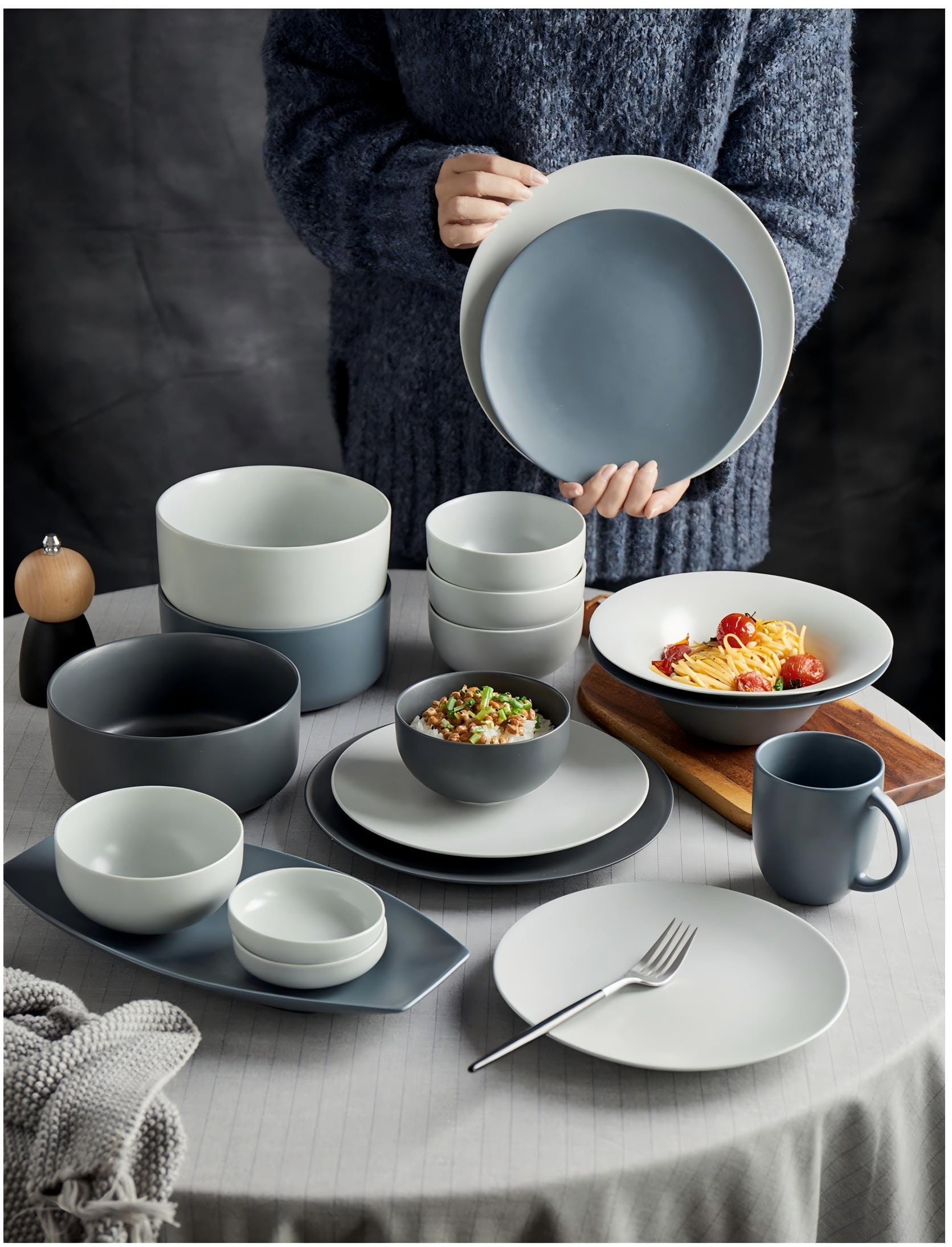
    In the modern era, ceramic design blends traditional craftsmanship with cutting-edge technology. Scandinavian minimalism emphasizes simplicity and practicality, while 3D printing introduces unprecedented precision and customization. Eco-friendly ceramics, made from renewable materials and produced using low-energy methods, align with growing environmental awareness.


    3.2 Cross-Cultural Collaboration and Globalization

    Modern ceramic art thrives on cross-cultural creativity. Designers combine Eastern “blank space" aesthetics with Western abstraction to craft unique pieces. Art exhibitions and cultural exchanges have further popularized ceramic art, making it a global phenomenon.


    3.3 Social Responsibility and Ceramics

    Eco-conscious consumers are driving demand for sustainable ceramic products. Brands and artisans alike embrace “zero-waste" principles, creating environmentally friendly ceramics that balance artistry and sustainability. These efforts underscore the role of ceramics in addressing global environmental challenges.


    4.The Future of Ceramics: Blending Culture and Art

    4.1 Preserving Traditional Craftsmanship

    The resurgence of handmade ceramics highlights the importance of preserving traditional skills. Young designers are infusing heritage techniques with contemporary aesthetics, ensuring that age-old crafts remain relevant in the modern world.


    4.2 Integration into Modern Living

    Ceramics are increasingly integrated into modern lifestyles. Personalized designs meet individual tastes, while eco-friendly materials make ceramics a practical and sustainable choice for everyday use.


    4.3 The Global Future of Ceramics

    Technological advancements and globalization are accelerating the international appeal of ceramic art. Ceramics continue to serve as a cultural bridge, uniting people across diverse backgrounds through shared artistic expressions.


    5.Conclusion

    Ceramics embody the essence of human civilization, bridging history, culture, and technology. From ancient craftsmanship to modern innovation, ceramics remain a testament to artistic ingenuity and cultural resilience. By celebrating its historical significance and embracing its modern potential, we can ensure that ceramics continue to inspire and connect us in an ever-changing world.

  • How Did Ceramics Come to America?

    Introduction: The Origin and Importance of Ceramics

    Ceramics, one of humanity’s earliest innovations, are deeply interwoven with human history. From functional tools to artistic masterpieces, ceramics have profoundly shaped daily life and cultural expression. This article explores a pivotal question: How did ceramics travel from their origins in Asia and Europe to America, evolving into an integral part of American life? By examining this journey through historical, trade, and cultural lenses, we reveal how ceramics transitioned from a luxury to a staple of American society.

    The Historical Background of Ceramics in America

    1. Early European Influence

    The arrival of European settlers in the New World marked the beginning of ceramics in America. These settlers brought pottery traditions from Europe, including the famed Staffordshire ceramics from England and Delftware from the Netherlands. These wares were not only functional but also status symbols for the wealthy in colonial America.

    The ceramic pieces from Europe often mirrored the artistic and cultural values of their origins, blending into colonial lifestyles. For example, Staffordshire ceramics—renowned for their durability and artistry—were prized possessions among affluent households. Similarly, Delft blue ceramics, with their iconic cobalt-blue patterns, introduced an aesthetic dimension to utilitarian items.

    1. The Initial Entry of Chinese Porcelain

    While European ceramics made their mark, Chinese porcelain captivated the American imagination as a luxury item. These wares, often blue-and-white or intricately painted, reached America indirectly through European East India Companies. Transported via trade hubs like Amsterdam and London, Chinese porcelain became symbols of cultural sophistication and social status.

    By the 18th century, Americans associated Chinese ceramics with prestige. Wealthy families showcased imported porcelain to reflect their taste and affluence. This trend underscored how global trade routes shaped American consumer preferences even before independence.

    1. Post-Independence Direct Importation

    The American Revolution reshaped the nation’s trade dynamics. Freed from reliance on European intermediaries, American merchants established direct trade routes with China. These routes, epitomized by the famed China trade, enabled U.S. ships to bring custom-export porcelain directly to American shores.

    Guangzhou (Canton) became a vital trading hub where American merchants sourced “Canton porcelain" and bespoke wares tailored to Western tastes. These ceramics often bore Western motifs, reflecting how Chinese artisans adapted to new market demands. This era marked the democratization of Chinese ceramics in America, as middle-class families began accessing these once-exclusive goods.

    The Rise of the American Ceramics Industry

    1. European Immigrants and Technical Innovation

    As the United States industrialized in the 19th century, European immigrants played a crucial role in the development of domestic ceramic production. These skilled artisans brought advanced pottery techniques and knowledge, laying the groundwork for an American ceramics industry.

    Early centers of production emerged in states like Pennsylvania and Ohio, where rich clay deposits supported large-scale manufacturing. The influence of European craftsmanship was evident in the quality and design of early American ceramics, which often emulated European styles while incorporating local materials.

    1. The Popularization of Domestic Ceramics

    By the mid-19th century, American ceramic manufacturers were producing affordable wares that competed with imports. This shift was driven by advancements in industrial production and a growing demand for practical, cost-effective household items. Domestic brands like Rookwood and Wedgewood (American operations) began emphasizing both functionality and aesthetics, appealing to a broad consumer base.

    The affordability of American ceramics made them accessible to everyday families, gradually replacing imported goods in many homes. This shift marked a turning point where ceramics became ubiquitous in American households, transcending their previous association with luxury.

    The Dissemination and Modernization of Ceramic Culture

    1. Cultural Exchange Through Exhibitions

    The 19th century witnessed the elevation of ceramics from practical items to objects of cultural significance. Events like the World’s Fair and international art exhibitions introduced Americans to diverse ceramic styles from around the globe. These showcases fostered an appreciation for ceramics as an art form, highlighting their aesthetic and cultural value.

    As a result, ceramics began occupying a dual role in American society: They were both functional household items and decorative artifacts. This transformation reflected broader cultural trends, where everyday objects were imbued with artistic meaning.

    1. The Impact of Globalization on Ceramics

    The 20th century brought globalization, which revolutionized the ceramic industry. Advances in transportation and communication enabled the seamless exchange of ideas and goods across continents. For American consumers, this meant unprecedented access to a diverse range of ceramic styles, from Japanese minimalism to Italian majolica.

    Today, ceramics remain at the intersection of tradition and innovation. Cross-cultural design collaborations and market customization have expanded the boundaries of what ceramics can represent. From minimalist dinnerware to intricate decorative pieces, ceramics continue to adapt to evolving tastes and lifestyles.

    Conclusion and Significance

    1. A Reflection of Trade and Cultural Integration

    The story of ceramics in America mirrors the broader narrative of trade and cultural exchange. From colonial-era luxury imports to the rise of a robust domestic industry, ceramics reflect the evolving dynamics of globalization, consumer culture, and artistic expression.

    1. Ceramics in Contemporary America

    In modern America, ceramics occupy a unique space as both functional and artistic objects. They serve as daily essentials while also enriching homes with their aesthetic appeal. This duality underscores the enduring relevance of ceramics in American life.

    1. Lessons for Trade and Cultural Exchange

    The journey of ceramics offers valuable insights into the potential of international trade and cultural collaboration. By embracing diversity and fostering mutual exchange, industries can achieve innovation and growth while honoring their historical roots.

  • Ceramic Evolution: A Journey Through Time and Innovation

    Introduction:Ceramic Evolution A Journey Through Time and Innovation
    Ceramics, an ancient art form, has continuously evolved alongside human civilization. From its origins in practical utility to its modern incarnation as a medium for innovation and artistic expression, ceramics reflect cultural shifts and technological advancements. This article explores the evolution of ceramics through four key dimensions: its historical origins, cultural significance, modern design trends, and sustainability efforts. By delving into the intersection of tradition and innovation, we aim to uncover how ceramics continue to shape and be shaped by human creativity.


    1. The Historical Foundations of Ceramics

    1.1 Early Beginnings and Practicality

    • Ancient Utilitarian Roots: The first ceramics, dating back to prehistoric times, were primarily utilitarian objects such as pots, jars, and tools. These creations were essential for storing food and water, symbolizing humanity’s ingenuity.
    • Regional Variations: Early ceramic styles were deeply influenced by geography, with distinct traditions emerging in Europe, Asia, and the Americas.

    1.2 Ceramics in Classical Civilizations

    • Greek and Roman Contributions: Classical ceramics, like Greek amphorae and Roman terra sigillata, were not only functional but also artistic, showcasing intricate designs and innovative techniques.
    • Cultural Storytelling: These ceramics often depicted myths, daily life, and societal values, making them a vital record of ancient cultures.

    1.3 Medieval and Renaissance Developments

    • Religious Symbolism: During the Middle Ages, ceramics were used to create tiles and vessels adorned with religious motifs.
    • The Rise of Artistic Expression: The Renaissance brought a resurgence in ceramic artistry, exemplified by the vibrant Italian majolica and Delftware in the Netherlands.

    2. Cultural Legacy and Ceramic Craftsmanship

    2.1 The Role of Ceramics in Cultural Identity

    • Ceramics as Storytellers: Across cultures, ceramics have served as a canvas for artistic narratives, preserving traditions and values.
    • Symbol of Status and Wealth: In many societies, intricately designed ceramics were symbols of affluence and refinement.

    2.2 Traditional Ceramic Techniques

    • Handcrafting and Kiln Techniques: Techniques like wheel-throwing, slip casting, and glazing have been refined over centuries, blending artistry with craftsmanship.
    • Cultural Variations: For example, the Chinese porcelain trade significantly influenced European ceramic styles during the 17th century.

    2.3 Preservation of Tradition

    • Reviving Old Techniques: Contemporary artisans are reviving ancient methods to preserve cultural heritage while adapting them to modern tastes.
    • Cultural Festivals and Museums: Institutions worldwide are dedicated to showcasing ceramic traditions, ensuring they remain relevant.

    3. Modern Ceramic Design and Innovation

    3.1 Design Trends in Contemporary Ceramics

    • Minimalism and Functionality: Modern ceramics often emphasize clean lines and practical utility, catering to contemporary lifestyles.
    • Fusion of Styles: Designers blend traditional aesthetics with modern sensibilities, creating timeless pieces that appeal to diverse audiences.

    3.2 Technological Innovations

    • 3D Printing in Ceramics: Advances in 3D printing allow for intricate designs and personalized products, transforming the ceramic manufacturing process.
    • Smart Ceramics: Emerging technologies have enabled the development of heat-resistant, self-cleaning, and even electronic ceramics, expanding their applications.

    3.3 Artistic Experimentation

    • Ceramics as Art: Modern artists increasingly use ceramics as a medium for creative expression, challenging conventional boundaries.
    • Interactive Installations: Ceramic art installations are becoming popular in galleries and public spaces, engaging audiences in novel ways.

    4. Sustainability and the Future of Ceramics

    4.1 Eco-Friendly Materials and Practices

    • Sustainable Resources: Modern ceramics use recyclable materials like clay and eco-friendly glazes to minimize environmental impact.
    • Green Manufacturing: Energy-efficient kilns and reduced emissions are becoming standard in ceramic production.

    4.2 Ceramics in a Circular Economy

    • Durability and Reusability: Ceramics are inherently durable, reducing waste by serving as long-lasting alternatives to disposable materials.
    • Upcycling and Repurposing: Artists and designers are repurposing old ceramics into new creations, embracing the principles of a circular economy.

    4.3 Vision for the Future

    • Cultural Sustainability: Efforts to preserve traditional craftsmanship ensure that ceramics continue to represent cultural identities.
    • Innovative Collaborations: Partnerships between artisans, scientists, and environmentalists will likely drive the future evolution of ceramics.

    Conclusion

    The journey of ceramics from its ancient roots to its modern, innovative forms is a testament to human creativity and adaptability. Balancing tradition with modernity, ceramics embody a rich cultural heritage while embracing cutting-edge design and sustainability practices. As this timeless art form continues to evolve, it promises to inspire future generations with its enduring beauty and relevance.