

• Blending Heritage and Innovation: The Story of European Ceramics

    Introduction:Blending Heritage and Innovation: The Story of European Ceramics

    Ceramics have been an integral part of European culture for centuries, reflecting artistic evolution, societal values, and technological advancements. From the elaborate pottery of ancient civilizations to today’s innovative ceramic designs, the journey of European ceramics is a fascinating narrative of tradition and modernity. This article explores the evolution of ceramic craftsmanship in Europe, focusing on its historical significance, cultural legacy, modern design trends, and sustainability efforts, aiming to inspire a deeper appreciation for this timeless art form.

    1.1 The Dawn of Ceramic Art

    Neolithic Beginnings: The earliest ceramics in Europe, dating back to the Neolithic era, were primarily functional items such as pots and tools, reflecting the practical needs of early societies.

    Cultural Significance: Pottery from ancient Greece and Rome, including amphorae and terra sigillata, showcases how ceramics evolved into symbols of artistic expression and social status.

    1.2 The Medieval Revival

    Regional Techniques: During the Middle Ages, European ceramics flourished through regional techniques such as painted pottery and glazing, which laid the groundwork for the Renaissance’s ceramic artistry.

    Religious and Cultural Impact: Monastic kilns, for example, produced ceramics that reflected both religious influence and cultural aesthetics.

    2.1 Renaissance Ceramic Art

    The Rise of Italian Pottery: Majolica ceramics, with their intricate designs and vibrant colors, became emblematic of Renaissance artistry.

    Art and Functionality: Ceramics of this era evolved from purely functional items to objects that merged practicality with artistic appeal.

    2.2 The Impact of the Industrial Revolution on Ceramics

    Mass Production and Standardization: The Industrial Revolution introduced mechanized production to ceramics, making products more uniform and affordable.

    Innovative Materials: The invention of bone china further cemented Europe’s influence on the global ceramic market.

    3.1 Design Trends and Cultural Expression

    Minimalism and Functionality: Modern ceramics emphasize minimalist designs and functionality, aligning with contemporary consumer aesthetics.

    Cultural Fusion: Designers often incorporate traditional cultural elements to imbue modern ceramics with deeper cultural significance.

    3.2 Eco-Friendly Design Concepts

    Use of Sustainable Materials: The modern ceramic industry prioritizes recyclable materials to reduce environmental impact.

    Green Production Techniques: Low-energy technologies and eco-friendly glazes are used to achieve sustainability.

    4.1 The Revival of Handmade Ceramics

    Personalization and Artistry: Handmade ceramics are favored by modern consumers for their uniqueness and artistic value.

    Cultural Heritage: Handmade craftsmanship serves as a vital way to preserve traditional culture.

    4.2 Innovation-Driven Future

    Technological Integration: 3D printing and smart ceramics are reshaping how ceramics are designed and produced.

    Globalization: The global market continues to demand ceramics that blend traditional and modern designs.

    Conclusion

    The history of European ceramics reflects a seamless blend of traditional craftsmanship and modern innovation. By pursuing artistry, functionality, and sustainability, ceramic craftsmanship continues to break boundaries, shaping a more diverse and sustainable future. Through the fusion of heritage and innovation, European ceramics will continue to showcase their unique charm on the global stage.
  • Ceramic Production Process and Technology

    Introduction: Ceramic Production Process and Cultural Significance

    Ceramics are an ancient material widely used around the world for thousands of years. From ancient Chinese blue-and-white porcelain to modern artistic ceramics, ceramic craftsmanship not only carries rich cultural history but also embodies a fusion of technology and art. The ceramic production process is intricate and requires meticulous craftsmanship at each step. With the progress of modern technology, the production process of ceramics has undergone many innovations, while still preserving many traditional techniques. This article will delve into the ceramic production process and reveal the unique value behind each step of ceramic craftsmanship.

    Raw Materials and Processing

    The quality of ceramics largely depends on the selection and processing of raw materials. Commonly used raw materials for ceramics include kaolin, quartz, and feldspar. Kaolin is a white clay mineral rich in alumina, known for its excellent plasticity and often used as the base material for making porcelain. Quartz, a hard mineral, is primarily used to enhance the strength and heat resistance of ceramics. Feldspar acts as a flux to help lower the temperature during firing. Raw materials undergo processes such as crushing, sieving, and mixing to ensure uniformity and suitability for subsequent processing.

    Body Preparation

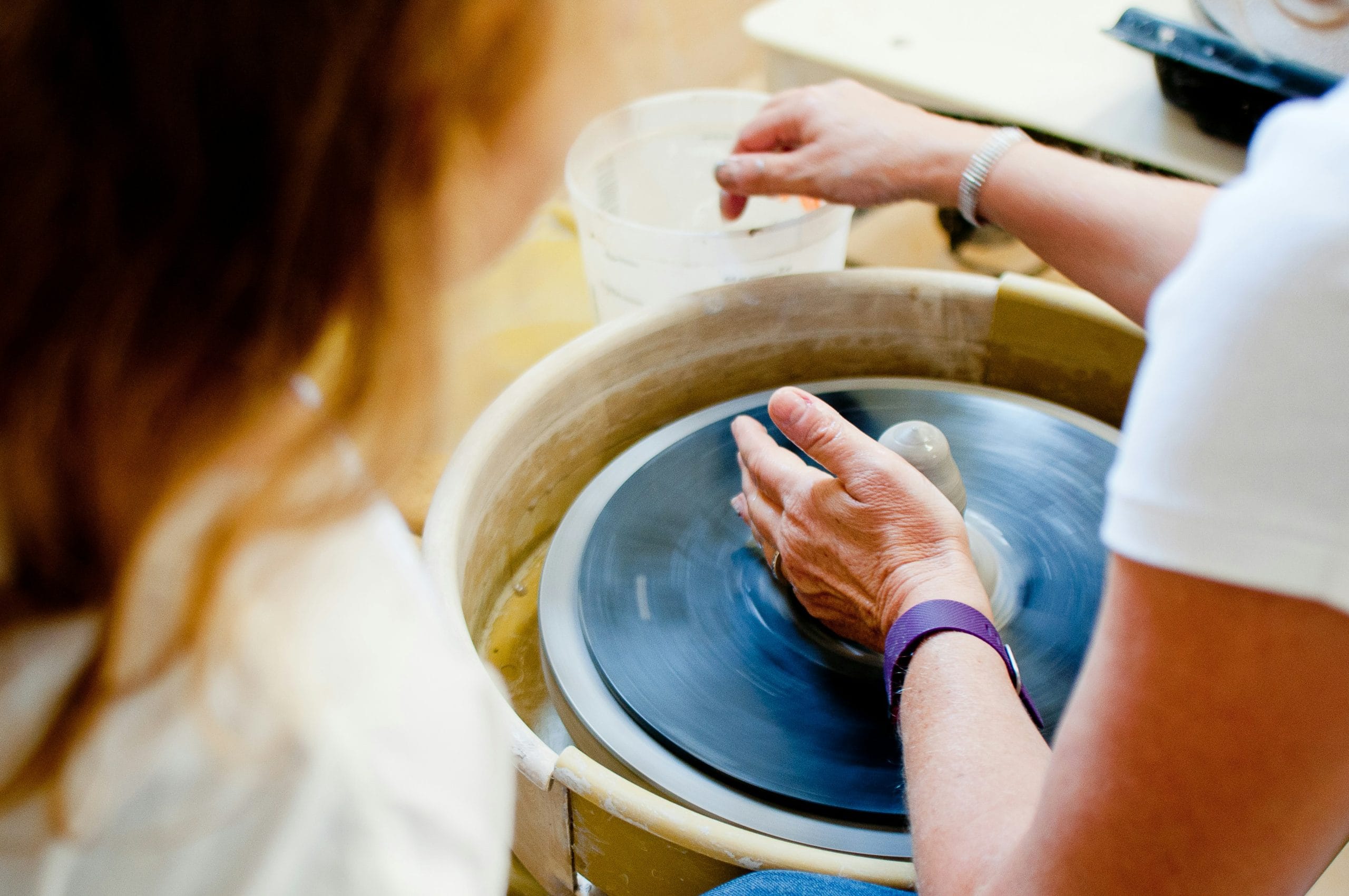
    The ceramic body refers to the clay material before forming, which serves as the foundation for ceramic products. Common body materials include plastic clay and slip clay. Plastic clay is suitable for hand-forming or wheel-throwing, while slip clay is used for mold casting. The key during preparation is to ensure the uniformity and proper moisture content of the body, preventing cracks or deformations during the forming process.

    Glaze and Preparation

    Glaze is a material applied to the surface of ceramics that forms a smooth surface after firing at high temperatures. The main components of glaze typically include silicates, aluminosilicates, and metal oxides. Depending on the requirements, glazes can be prepared in various forms such as transparent, opaque, or special effect glazes. The preparation of glazes involves mixing, filtering, and coloring to ensure suitability for different types of ceramic products.

    Forming

    Ceramic forming methods include hand-forming, slip casting, compression molding, and mechanized forming. Each forming method has its characteristics, and the choice of the suitable forming method depends on the design and functional requirements of the ceramic product. Hand-forming is suitable for small batches and personalized ceramics, while mechanized forming is ideal for mass production. Key points during forming include maintaining uniform thickness and preventing the formation of air bubbles.

    Drying and De-plasticizing

    After forming, the body needs to be dried to prevent cracking or deformation during the firing process. Drying methods include natural drying and kiln drying. Natural drying requires controlling the environmental temperature and humidity to avoid uneven drying that can lead to cracks. De-plasticizing is the process of removing excess moisture and impurities from the body by heating and vibrating, ensuring the body becomes firmer.

    Firing

    Firing is a crucial stage in ceramic production. High-temperature firing not only makes the ceramic product harder and more dense but also brings out its unique gloss and color. The firing process typically includes bisque firing and glaze firing. Bisque firing is the first heating stage, mainly to remove moisture and organic material, while glaze firing occurs after bisque firing to fuse the glaze with the surface of the ceramic. Temperature control is vital during firing, as different types of ceramics require different firing temperatures, with porcelain typically being fired at around 1200°C.

    Decoration, Processing, and Modification

    Ceramic decoration techniques include underglaze painting, overglaze painting, decal application, and carving. These techniques significantly enhance the artistic value of ceramic products. Underglaze painting involves applying pigments directly to the body, which is fused during glaze firing. Overglaze painting applies pigments to the glazed surface and is typically completed by low-temperature firing. Carving involves finely etching patterns and details into the ceramic surface. Additional processing such as polishing, grinding, and engraving can further enhance the ceramic’s fine details. Modern ceramics also involve modification techniques such as high-temperature-resistant ceramics and antibacterial ceramics to improve their functionality and durability.

    Conclusion: Mastery and Future of Ceramic Production

    Ceramic production is a craft that integrates science and art, with each step being crucial. From raw material selection to final decoration, every step requires detailed craftsmanship. With the continuous progress of technology, ceramic craftsmanship is constantly innovating and evolving, with environmental concepts increasingly integrated into ceramic production, promoting trends in sustainable ceramic manufacturing. In the future, ceramic craftsmanship will continue to merge innovation in functionality, artistry, and sustainability, embracing new development opportunities.

  • History of Chinese Ceramics

    1.Introduction: The Glorious Chapter of Ceramics and Chinese Civilization

    Definition and Importance

    Ceramics are one of the most iconic cultural symbols of China, combining both practicality and artistry. Beyond serving as everyday items, Chinese ceramics embody the essence of Chinese culture. From the colorful pottery of the Neolithic era to the refined porcelain of the Song and Ming dynasties, Chinese ceramics have had a profound impact on the global art world.

    Core Theme

    This article provides an overview of the origins, development, and global influence of Chinese ceramics. Through a deep dive into the history and culture of Chinese ceramics, readers can gain a greater appreciation for the significance of this ancient craft.

    2.Origins and Early Development of Ceramics (Neolithic – Shang and Zhou Dynasties)

    2.1 Beginnings in the Neolithic Era

    The earliest ceramic artifacts in China date back to around 10,000 years ago. Represented by cultures like the Yangshao and Longshan, early pottery included painted and black ware used for storage, cooking, and religious rituals.

    2.2 Ceramics in the Bronze Age (Shang and Zhou Dynasties)

    During the Shang dynasty, gray pottery emerged, and by the Zhou dynasty, the first forms of porcelain were produced. Technological advances like wheel-made pottery and early firing techniques laid the foundation for the production of porcelain in later centuries.

    3.The Origins and Development of Porcelain (Eastern Han to Tang Dynasty)

    3.1 Early Porcelain in the Eastern Han Dynasty

    Porcelain emerged in the Eastern Han Dynasty, with celadon pottery from the Yue Kiln becoming a prominent representative. The development of high-temperature firing techniques marked a significant breakthrough in porcelain craftsmanship.

    3.2 Flourishing Ceramics in the Tang Dynasty

    The Tang Dynasty saw the flourishing of ceramics, especially with the coexistence of greenware from the Yue Kiln and white porcelain from the Xing Kiln. Tang Dynasty also witnessed the global export of ceramics, making it a key item in trade along the Silk Road.

    4.The Golden Age of Ceramics: Song to Yuan Dynasty

    4.1 The Five Famous Kilns of the Song Dynasty

    The Song Dynasty represented the peak of Chinese porcelain craftsmanship, with the Five Famous Kilns (官窑, 汝窑, 钧窑, 定窑, 哥窑) setting the standard for artistry and elegance. These kilns created porcelain characterized by simplicity and technical sophistication.

    4.2 The Birth of Blue-and-White Porcelain in the Yuan Dynasty

    The Yuan Dynasty saw the emergence of blue-and-white porcelain, with Jingdezhen becoming the center of porcelain production. The use of cobalt blue from the Middle East revolutionized Chinese porcelain, making it a globally recognized symbol of Chinese artistry.

    5.The Pinnacle of Ceramics and Global Influence in the Ming and Qing Dynasties

    5.1 The Diversification of Ming Ceramics

    During the Ming Dynasty, Jingdezhen’s imperial kiln became the center of porcelain production. The period saw the flourishing of blue-and-white porcelain and polychrome porcelain, which had a significant impact on global ceramic markets.

    5.2 The Refinement of Qing Ceramics

    The Qing Dynasty is known for its highly refined porcelain, with innovations like enamel-painted porcelain (famille rose, famille verte) that set new standards for artistry and craftsmanship.

    6.Modern Transformation and Innovation (Late Qing to Contemporary)

    6.1 Decline and Transformation in the Late Qing and Republic Periods

    The Qing Dynasty’s late years saw a decline in traditional ceramic production due to war and industrialization. However, new technologies and mass production gradually transformed the ceramic industry.

    6.2 Post-1949 Revival

    Following the establishment of the People’s Republic of China, traditional porcelain centers like Jingdezhen were revitalized, while modern technologies and artistic styles began to influence the ceramics industry.

    6.3 Globalization of Contemporary Ceramics

    Chinese ceramics have become a global art form, with contemporary designs and environmentally sustainable production techniques becoming central to modern ceramic trends.

    7.The Global Impact of Chinese Ceramics

    7.1 Export and Cultural Exchange

    The export of Chinese ceramics, through the Silk Road and maritime trade routes, played a significant role in the spread of Chinese culture worldwide. Porcelain became not only a symbol of Chinese craftsmanship but also a cultural ambassador.

    7.2 “China" and “Porcelain" as Synonyms

    The term “China" has become synonymous with porcelain in many languages, highlighting the profound impact that Chinese ceramics have had on global culture.

    8.Conclusion: The Legacy and Future of Chinese Ceramics

    Legacy

    Chinese ceramics have evolved from simple utilitarian objects to exquisite works of art, representing the fusion of functional design and aesthetic mastery.

    Future

    The future of Chinese ceramics lies in the integration of traditional craftsmanship with modern design and sustainability, ensuring that Chinese ceramics continue to thrive on the world stage.