


• From Handcraft to Technology: Exploring the Evolution of Traditional and Modern Ceramic Craftsmanship

    1.Introduction: The Heritage and Innovation of Ceramics

    Ceramics, an ancient craft combining both functionality and artistry, has been an integral part of human culture for centuries. From early utilitarian vessels to exquisite works of art, ceramics not only bear witness to the evolution of civilizations but also reflect the social and cultural contexts of various eras. In the 21st century, the traditional techniques of ceramic craftsmanship and modern design innovations present a striking contrast, offering a wide array of possibilities. How do traditional craftsmanship and modern innovations together shape the future of ceramics?

    2.The History and Cultural Significance of Traditional Ceramics

    2.1 Craftsmanship Features

    Traditional ceramic craftsmanship heavily relies on manual techniques such as wheel throwing, hand building, and carving. Skilled artisans use their hands and tools to transform raw clay into beautiful works of art. These techniques emphasize the use of natural materials, including clay and mineral-based glazes, giving ceramics a warm, rustic character.

    2.2 Cultural Heritage

    In China, celadon and porcelain represent not only technological advancements but also serve as carriers of cultural heritage. Celadon’s delicate glaze and white porcelain’s pristine surface symbolize the peak of Chinese ceramic craftsmanship. These ceramics traveled westward along the Silk Road, spreading Eastern culture to the West. Similarly, Japan’s Karatsu ware and Raku pottery are deeply rooted in tea ceremony culture, showcasing the “wabi-sabi” aesthetic, which embraces simplicity, imperfection, and transience. European majolica, with its vivid colors and intricate patterns, reflects the artistic aspirations of the Renaissance. These diverse ceramic traditions and artistic styles are not only showcases of each country’s craftsmanship but also important mediums for global cultural exchange.

    2.3 Challenges and Limitations

    Despite its irreplaceable artistic value, traditional ceramic craftsmanship faces various challenges. The process of creating traditional ceramics is time-consuming and requires highly skilled craftsmanship. Artisans must spend years honing their techniques. Moreover, because the production cycle is long and output is limited, traditional ceramics struggle to keep up with the fast-paced demands of modern markets. However, this low-output, high-quality nature is what gives traditional ceramics their unique artistic appeal in the contemporary market.

    3.Technological and Design Innovations in Modern Ceramics

    3.1 Technological Advancements

    After the industrial revolution, ceramics entered a new era of mechanized production. Modern ceramic production no longer relies solely on handcrafting; automated production techniques and machinery have significantly improved efficiency. Additionally, the use of new materials such as bone china, high-strength ceramics, and transparent ceramics has enhanced the functionality and adaptability of ceramics. More importantly, 3D printing and AI-assisted design technologies have introduced unprecedented creativity and flexibility to the ceramic craft. These technologies not only increase design precision but also make ceramics more diverse in form and function, breathing new life into the craft.

    3.2 Design Trends

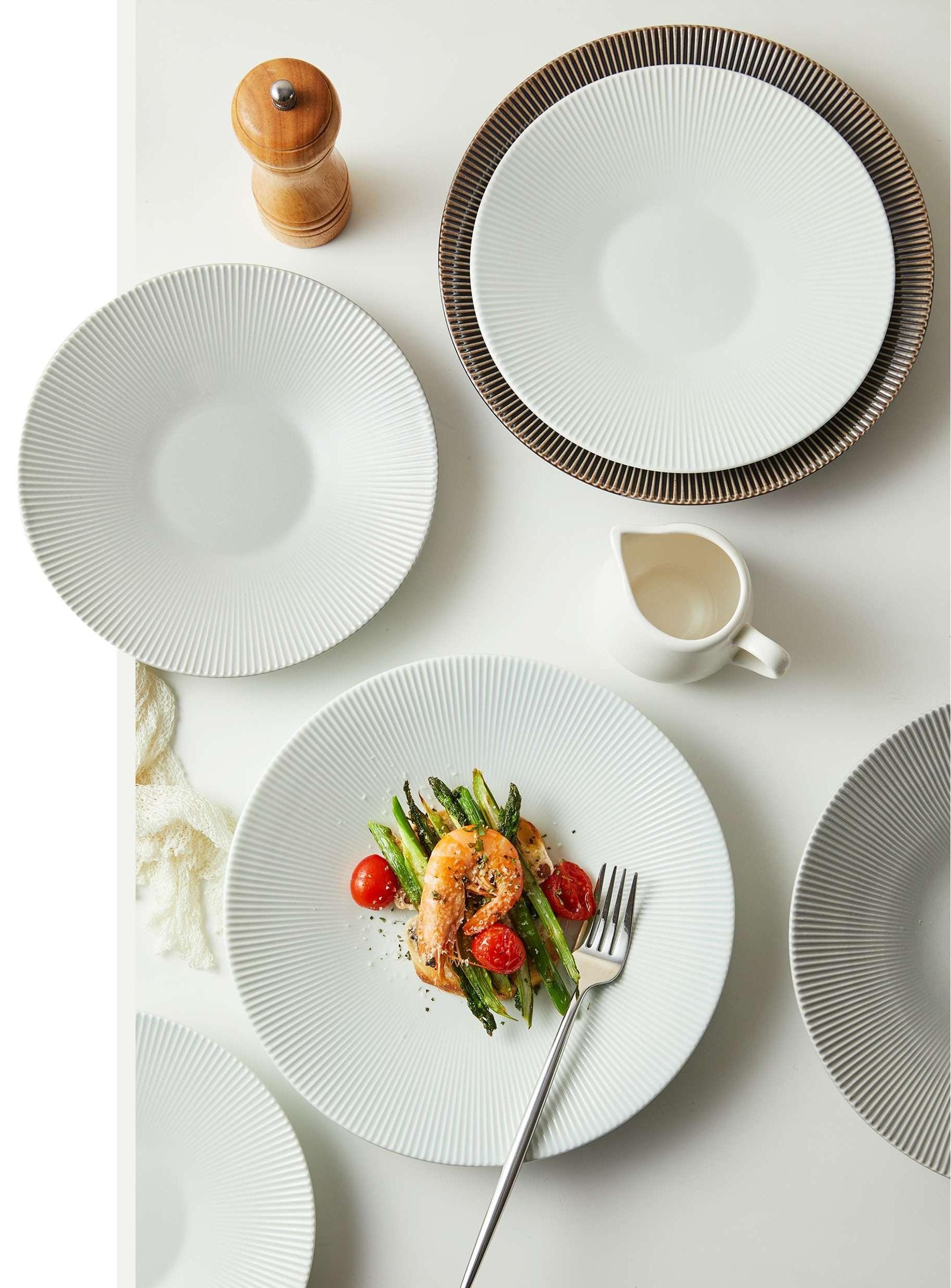
    Modern ceramic design emphasizes minimalism, personalization, and functionality. For example, Nordic minimalist ceramic pieces, characterized by clean lines and soft tones, have become widely popular. This design ethos focuses on “less is more,” eliminating unnecessary ornamentation while highlighting the natural texture of ceramics. At the same time, designers are becoming more liberated in their use of colors, creatively transforming ceramics into symbols of fashion and lifestyle. Whether it’s tableware, teapots, or art pieces, modern ceramic design has moved away from traditional forms, embracing creativity, freedom, and individuality.

    3.3 Environmental Awareness

    As environmental consciousness grows, modern ceramic craftsmanship places increasing emphasis on sustainability and eco-friendly design. Many ceramic designers use renewable materials, optimize energy use, and adopt “zero-waste" design practices to minimize waste. Ceramic manufacturers are also incorporating sustainable production methods. The demand for eco-friendly products is driving the ceramics industry toward more sustainable practices, making it possible for ceramic craftsmanship to integrate modern environmental values.

    4.The Fusion of Traditional and Modern Craftsmanship: A Dialogue Between Culture and Innovation

    4.1 Revival of Traditional Techniques in Modern Design

    Many designers are integrating traditional handcraft techniques into modern ceramic products, creating pieces that reflect both the charm of traditional craftsmanship and modern aesthetics. For example, contemporary tableware featuring Chinese blue-and-white porcelain elements combines the cultural significance of traditional ceramics with the sleek, practical design favored by today’s consumers. By blending handcraft with modern production technologies, these ceramic pieces strike a harmonious balance between tradition and modernity.

    4.2 Cultural Exchange and Fusion

    In an increasingly globalized world, ceramic design is continuously absorbing elements from various cultures, resulting in cross-cultural designs. Western designers, for instance, have drawn inspiration from Eastern ceramics’ “negative space” techniques to create contemporary ceramics that carry an Eastern aesthetic. This cultural fusion broadens the horizons of ceramic design, allowing ceramic products to enter international markets more effectively.

    4.3 Driven by Market Demands

    With globalization driving diversity in markets, consumer demands for ceramics have become more varied. While traditional ceramics continue to hold value due to their cultural significance and historical legacy, modern ceramic designs cater to contemporary consumers’ desire for fashion and individuality. The fusion of traditional and modern ceramics responds to the dynamic needs of the global market.

    5.Conclusion: The Heritage and Future of Ceramic Craftsmanship

    Ceramic craftsmanship is not only a witness to history but also an explorer of the future. From traditional handcraft to modern technological innovations, ceramic craftsmanship has evolved and integrated, creating endless possibilities for the future. As environmental values deepen and global cultures blend, ceramic craftsmanship will continue to play a significant role in art, design, and daily life. Whether through the cultural value of traditional craftsmanship or the innovative spirit of modern design, both will continue to define the unique charm of ceramics.

  • Ceramic Art: A Legacy That Continues to Evolve

    Introduction: The Timeless Allure of Ceramic Art

    Ceramic art is an incredible blend of practicality and beauty, with a history spanning thousands of years. From early storage vessels to exquisite porcelain embodying cultural identity, ceramics have evolved alongside human civilization. They represent a fusion of technology and art, serving as a key medium for cross-cultural exchange. Today, ceramic art continues to thrive through innovation and sustainability, playing an increasingly important role in contemporary life.

    Ceramic Art in Ancient Civilizations

    Origins and Early Development

    The history of ceramics goes back nearly 10,000 years to the Neolithic Age. During this time, humans began shaping clay into simple vessels used for food storage, water transportation, or ritual purposes. Most early ceramics were handmade and hardened by fire.

    For example, in China, archaeologists uncovered 8,000-year-old pots that showcase early mastery of clay and fire. Meanwhile, Japan’s Jōmon pottery, famous for its rope-like patterns, reflects an early attempt at incorporating artistry into utilitarian ceramics.

    Representative Cultures

    • China’s ceramic art is a gem in world history. Early celadon and white porcelain pieces were not only technologically advanced but also widely traded along the Silk Road, becoming luxurious items for aristocrats and royals.
    • Mesopotamian pottery often combined with cuneiform writing, documenting religious and commercial activities, thus giving ceramics both cultural and practical significance.
    • Egypt’s Faiyum pottery, famous for its blue-green glaze, symbolized life and divinity, and was widely used in religious and funerary contexts.

    Technology and Art Integration

    Ancient ceramics were both utilitarian and artistic. Using wheel-throwing and kiln-firing techniques, craftsmen created geometric and animal motifs, expressing reverence for nature and life.

    Ceramic Art in the Middle Ages and Renaissance

    The Splendor of Islamic Ceramics

    During the Middle Ages, Islamic ceramic art reached new heights. Craftsmen developed complex glazing techniques and incorporated floral and geometric patterns, showcasing a perfect blend of mathematics and art. These ceramics spread to Europe and Asia through trade, deeply influencing global ceramic artistry.

    The Revival of European Ceramics

    Italy’s Majolica pottery was a hallmark of ceramic revival during the Renaissance. Its vibrant colors and religious motifs reflected the Renaissance’s revival of classical art while laying the groundwork for modern ceramics.

    Trade and Cultural Exchange

    During this era, Chinese blue-and-white porcelain was introduced to Europe through maritime trade, sparking a “porcelain craze.” Many European countries began imitating these ceramics, eventually developing their own unique styles, such as Delftware in the Netherlands.

    Modern Innovations and the Future of Ceramic Art

    The Impact of the Industrial Revolution

    The Industrial Revolution completely transformed ceramic production. From handcrafted items to mass-produced goods, ceramics became staples in everyday households. The advent of new materials like bone china further expanded their applications.

    Creativity and Modern Design

    Modern artists view ceramics as a medium for expressing ideas. From sculptures to installations, the craft has transcended traditional functionality. Meanwhile, Scandinavian minimalism, which merges form and function, has gained worldwide popularity.

     Sustainability and Eco-Friendliness

    As sustainability becomes a global priority, more ceramic products are returning to natural materials and traditional techniques. For example, eco-friendly ceramics made from recyclable materials and non-toxic glazes have become market favorites.

    Conclusion: The Cultural Value and Future of Ceramics

    Ceramic art embodies thousands of years of human civilization, with immeasurable cultural and artistic value. In modern society, ceramics are revitalized through innovative designs and eco-conscious practices. Whether as a historical legacy or a future prospect, ceramics will continue to play a vital role in both art and life.

  • Manufacturing Process and Technical Details of Enamel Products

    Table of ContentsEnamel

    1. Project Overview
    2. Technical Advantages
    3. Historical Background and Development
    4. Product Technical Data
    5. Applications and Achievements
    6. Conclusion

    1. Project OverviewEnamel Products

    Enamel products are created by fusing a glassy layer onto a metal surface through high-temperature firing, resulting in a smooth and durable coating. The history of enamel dates back to ancient Egypt, evolving through centuries of technological advancements and cultural shifts. This document explores the technical advantages, manufacturing processes, cultural heritage, and modern applications of enamel products, highlighting their evolution across eras and their new roles in contemporary design.


    2. Technical AdvantagesTechnical Details of Enamel

    Enamel technology combines the strength of metal substrates with the durability of glassy coatings, offering the following key benefits:

    • High Heat Resistance: Enamel coatings can withstand temperatures above 500°C, making them suitable for cookware, appliances, and industrial equipment.
    • Corrosion Resistance: The non-porous structure of the enamel layer effectively resists acidic and alkaline substances, making it ideal for chemical environments.
    • Wear Resistance: The high-temperature-fired enamel surface is extremely durable and resistant to abrasion, ensuring long-term performance.
    • Eco-Friendly and Safe: Enamel products do not release harmful substances and meet health and environmental standards, making them ideal for food-contact applications.

    3. Historical Background and Development

    The history of enamel spans thousands of years. Early enamel techniques emerged in ancient Egypt and saw further refinement during the Mycenaean civilization (13th–11th centuries BCE). In Europe, enamel painting techniques based on copper substrates appeared in the mid-15th century and later spread to China, reaching their peak during the Qing Dynasty.

    With the Industrial Revolution and advancements in production technology, 19th-century cast-iron enamelware became widely available to the general public. Today, enamel products emphasize not only functionality but also artistic and lifestyle aesthetics, with innovative designs giving them a modern cultural identity.


    4. Product Technical Data

    Modern enamel products adhere to well-established technical standards, with the following typical specifications:

    • Heat Resistance: Withstands temperatures exceeding 500°C.
    • Corrosion Resistance: High stability in acidic and alkaline environments, minimizing oxidation risks.
    • Surface Hardness: Fired enamel layers achieve a Mohs hardness of 7–8, comparable to glass.
    • Food Safety: Complies with FDA and EU food safety standards, making them suitable for direct food contact.

    5. Applications and Achievements

    Enamel products are widely utilized globally across various industries. Representative achievements include:

    • Household Products: Items like enamel mugs and bowls maintain stable sales in European and Asian markets, with the resurgence of retro trends boosting their popularity among younger consumers.
    • Industrial Applications: Enamel technology is extensively used in the chemical, pharmaceutical, and food processing industries, offering corrosion resistance and long service life.
    • Artistic Works: China’s cloisonné (jingtailan) has been recognized as an Intangible Cultural Heritage by UNESCO, demonstrating enamel craftsmanship’s excellence in the arts.

    6. Conclusion

    The historical background and cultural evolution of enamel products reflect technological progress and the blending of different cultures. With continuous innovation, enamel products are poised for broader applications in the future while showcasing their unique cultural value and craftsmanship in the realm of art and design.