• Custom Ceramic Ramen Bowl Guide

    1. Overview of the Customization Process

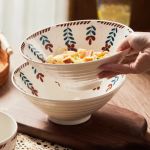
    As a professional ceramic manufacturer, customizing ceramic ramen bowls requires aligning market objectives with technical production expertise. Each stage of custom ceramic ramen bowl production is meticulously managed—from product positioning and design planning to final delivery—to ensure quality and brand value. Custom ceramic ramen bowls are an essential part of modern dining, and selecting the right design can elevate the dining experience. When choosing, ensure the design of custom ceramic ramen bowls aligns with your brand style.

    1.1 Clarifying Purpose and Design Requirements

    Purpose Definition: The design of custom ceramic ramen bowls must consider various factors, including brand image and market demand. Choosing custom ceramic ramen bowls can enhance the unique dining experience.

    • Brand Promotion: Bowls featuring corporate logos are suitable for launch events or franchise branding, emphasizing visual identity and consistency.
    • Marketing Gifts: For festivals or exhibitions, balance cost, lead time, and quality.
    • Premium Gifting: Bone china bowls with elegant packaging target high-end clientele to enhance gift value.

    Key Design Considerations:

    • Material Selection:
      • Kaolin Porcelain: Fired at ~1300°C, fine texture, highly durable—ideal for mid-to-high-end markets.
      • Bone China: High translucency and whiteness, best for premium gifts, but higher in cost.
      • Strengthened Porcelain: Impact-resistant, suitable for high-turnover use in restaurants.
    • Recommended Dimensions: Diameter 20–25 cm, depth 8–10 cm, capacity 800–1200 ml—ideal for ramen use.
    • Brand Integration:
      • Design files in AI/PSD format, resolution ≥300DPI.
      • Use Pantone codes to ensure color consistency in mass production.
      • Incorporate cultural motifs such as Japanese wave patterns, cherry blossoms, or hand-drawn illustrations.
    • Functional Features:
      • Anti-slip Base: Silicone rings or sintered base glaze.
      • Chopstick/Spoon Grooves: Pre-designed into molds.
      • Heat and Cleaning Resistance: Lead-free glaze, tested for microwave and dishwasher use.
    • Style-Market Fit:
      • Japanese Mino or Arita styles, or Nordic minimalist designs.
      • Provide 3D renderings or samples for customer confirmation.

    1.2 Key Production Techniques

    Forming Methods:

    • Slip Casting: Ideal for complex shapes and uniform thickness.
    • Jiggering: Suitable for high-efficiency mass production with fixed shapes.
    • Hand Throwing: Used for high-end custom orders, emphasizing craftsmanship.

    Glazing and Firing:

    • Glaze Selection: Lead- and cadmium-free, food-grade glaze meeting CNS 12431, FDA, or LFGB standards.
    • Glazing Methods: For custom ceramic ramen bowls, selecting lead- and cadmium-free safe glazes is critical.
    • Dip Glazing: Even coverage, suited for single-color pieces.
    • Spray Glazing: Enables gradient or localized effects.
    • Decal Application: High-temperature transfer printing for detailed patterns.

    Firing Control:

    • Bisque Firing: 800–900°C to stabilize the body structure.
    • Glaze Firing: 1200–1400°C with precise atmosphere control (oxidizing/reducing) to affect glaze color and gloss.
    • Atmospheric Adjustment: Accurate control of kiln oxygen levels prevents glaze color deviation.

    Surface Finishing: Many users choose custom ceramic ramen bowls to enhance their brand image and customer experience. Thus, custom ceramic ramen bowls not only elevate the dining experience but also enhance brand value.

    • Glossy Glaze: Smooth and shiny, easy to clean.
    • Matte Glaze: Understated texture, enhances tactile warmth.
    • Textured Finishes: Embossed or engraved patterns created during forming.

    2. Choosing the Right Manufacturing Partner

    2.1 Factory Evaluation Criteria

    Expertise and Experience:

    • Specialized in food-grade ceramics with export track record (especially for Japan, US, or Europe).
    • Proficient in deep bowl structures and high-temperature firing requirements.

    Equipment and Technology:

    • Kilns: Tunnel or shuttle kilns ensure consistent firing.
    • Mold Technology: CNC machining or 3D printing for precise and upgradable molds.
    • Automation: Automated spraying and decal machines improve consistency and output.

    Compliance and Certification: Ensure your custom ceramic ramen bowls meet international standards for global market sales.

    • International quality and food safety certifications (e.g., ISO 9001, ISO 22000, FDA, LFGB).
    • Compliant with CNS standards for the Taiwan market; test reports available upon request.

    Minimum Order Quantity (MOQ):

    • Standard: 1,500 pieces. Some factories accept trial orders of 100–300 pieces at higher unit cost.

    2.2 Sourcing and Development Channels

    Taiwan: When selecting suppliers, ensure they can provide high-quality custom ceramic ramen bowls. Ensure suppliers can deliver high-quality custom ceramic ramen bowls to meet market expectations.

    • Yingge ceramic cluster supports small-batch and custom orders.
    • Use solution integrators like Kezhida Co., Ltd. to coordinate factories and design teams.

    Mainland China:

    • Jingdezhen excels in high-end craftsmanship and artistic customization.
    • Use platforms like 1688 or Alibaba to source export-ready suppliers, e.g., Sharmeehouse.

    Trade Shows and Platforms:

    • Canton Fair, Hong Kong Gifts Fair, Global Sources—ideal for OEM networking.

    Sample Development Process:

      • Offer multiple design styles (glaze, patterns); sample cost USD 100–300 per piece.

    Market research shows that custom ceramic ramen bowls are highly popular among consumers, especially in Asia. As consumer demand for custom ceramic ramen bowls continues to rise, the market potential is significant.

    • Lead time: approx. 7–14 days.

    3. Critical Details and Risk Management

    3.1 Technical & Material Safety

    • Raw materials must pass heavy metal tests (Lead <0.1mg/L, Cadmium <0.01mg/L).
    • Mold precision within ±0.1mm to avoid batch inconsistencies.
    • Strict temperature ramp control (5–10°C/min) to prevent cracks or glaze defects.

    3.2 Quality Control & Inspection

    Internal QC:

    • Appearance Check: No cracks, pinholes, glaze drips; pattern alignment error <0.5 mm.
    • Function Tests:
      • Thermal shock: 100°C → 20°C, no cracking.
      • Load test: Bowl base withstands 5 kg.
      • Stacking: Stable stacking of 10+ units.

    Recommended Third-Party Tests: The packaging of custom ceramic ramen bowls should also reflect the brand’s image, and using eco-friendly materials can attract more consumers.

    • SGS, Intertek, etc.:
      • Food safety (CNS, FDA, LFGB compliance).
      • Heat resistance, dishwasher safety.
      • Optional: Antibacterial testing if requested.

    3.3 Labeling and Packaging Compliance

    RegionLabeling Requirements
    TaiwanChinese label, food-grade statement, origin, manufacturer info
    ChinaFollow GB 7718; label material in Chinese, importer info if applicable
    JapanComply with JIS and Food Sanitation Law, mark “Microwave Safe" etc.
    USAComply with FDA & California Proposition 65, English labeling
    EuropeFollow EC No. 1935/2004 & CE regulations, multi-language labels

    As consumer demand for personalized products increases, the importance of custom ceramic ramen bowls becomes more evident. The quality and design of custom ceramic ramen bowls directly influence consumer choices. Packaging Recommendations:

    • Branded paper or wooden boxes with EPE foam lining.
    • Include QR codes and anti-counterfeit labels to boost brand trust.

    4. Cost Efficiency and Sustainability

    Reference Cost Breakdown:

    • Design & Sample Development: USD 300–800 (includes rendering, modeling, prototyping).
    • Mold Fabrication: USD 500–2000 (depending on complexity).
    • Unit Production Cost:
      • Kaolin porcelain: USD 2–5.
      • Bone china: USD 5–10.
    • Packing & Logistics: USD 0.5–1 per unit.

    Production Timeline:

    StageTimeframe
    Design & Sampling2–4 weeks
    Mass Production4–8 weeks
    Shipping & Delivery2–4 weeks

    Sustainability Practices:

    • Prioritize recyclable ceramic materials.
    • Utilize energy-efficient kiln technologies.
    • Use biodegradable packaging materials to attract ESG-conscious markets.

    5. Cultural Adaptation and Brand Risk Control

    Tailor graphics and forms to suit target market preferences.Custom ceramic ramen bowl designs that adapt to local cultures can better attract target markets. To ensure success, designers must focus on every detail of custom ceramic ramen bowls. Custom ceramic ramen bowls incorporating traditional elements can resonate more with the market. Custom ceramic ramen bowl designs tailored to the market can better attract target consumers.

    • Avoid religious or political imagery.
    • Enhance regional design appeal (e.g., Japanese motifs or minimalist lines) to boost market acceptance.
  • Unlocking the Starbucks Co-Branded Mugs Phenomenon: How Double-Wall Mugs Drive Global Market Success

    Why Starbucks Co-Branded Mugs Are a Marketing Masterpiece

    Starbucks, the global coffee giant, isn’t just brewing coffee—it’s crafting a powerful mug economy with its iconic Starbucks co-branded mugs and double-wall mugs. As highlighted in The Insane “Mug Economy" of Starbucks (Business Weekly, 2017), Starbucks transforms mugs from everyday drinkware into coveted collectibles, promotional gifts, and corporate presents through strategic co-branding with IPs like miffy, PEANUTS, and Alice+Olivia. These mug marketing strategies captivate global consumers in North America, Europe, and Asia-Pacific, driving sales, boosting brand loyalty, and amplifying market reach. This article explores the commercial benefits of Starbucks co-branded double-wall mugs, their irresistible design elements, and actionable marketing tactics to make customers fall in love with your brand.

    Global Market Benefits of Starbucks Co-Branded Mugs

    High-Profit Sales: Fueling the Mug Economy

    Starbucks co-branded mugs are a cornerstone of the brand’s revenue stream, capitalizing on the booming global mug market. According to market research, the global mug market is projected to grow from $28.09 billion in 2024 to $58.05 billion by 2032, with a CAGR of 9.5%. Starbucks leverages double-wall mugs—like miffy, PEANUTS, and city-specific designs—to capture significant market share in North America and Asia-Pacific. Priced between $20-$50, these mugs yield high margins, with rare city mugs fetching up to $1,000 on eBay due to their collectible appeal. Limited-edition releases, such as Japan’s “You Are Here” series, create scarcity, driving sales spikes and reinforcing Starbucks’ dominance in the mug marketing strategy.

    Promotional Gifts: Boosting Brand Exposure

    Using Starbucks co-branded mugs as promotional gifts amplifies brand visibility and customer loyalty:

    • Campaign Impact: Starbucks’ 2024 Earth Day “Bring Your Own Mug” initiative in North America offered free coffee, boosting store traffic and encouraging double-wall mug use. Similar promotions in Europe (0.05 GBP discount) and Asia-Pacific reinforce this strategy.
    • Social Media Buzz: Gifting co-branded mugs, like PEANUTS’ Snoopy designs, sparks user-generated content on platforms like Instagram (#StarbucksTumbler), expanding brand reach organically.
    • Emotional Connection: Mugs featuring IPs like DISNEY’s Mickey Mouse strengthen emotional ties, particularly in North America, driving repeat purchases and brand advocacy.

    Corporate and Personal Gifts: Expanding Market Reach

    Starbucks co-branded mugs excel as gifts, appealing to both individual and corporate markets:

    • Personal Gifting: Premium designs like Alice+Olivia’s floral mugs make ideal holiday or birthday gifts in North America and Europe, packaged for elegance and exclusivity.
    • Corporate Gifting: Starbucks collaborates with businesses, offering customized city mugs as employee perks or client gifts in North America, enhancing brand goodwill.
    • Market Expansion: In Asia-Pacific, Paul & Joe’s cherry blossom-themed mugs target young women, becoming top gift choices during festive seasons, further broadening Starbucks’ market footprint.

    Design Elements That Captivate Customers

    The allure of Starbucks co-branded double-wall mugs lies in their strategic design, blending functionality, aesthetics, and sustainability:

    Material: Functionality Meets Sustainability

    • Performance: Double-wall mugs use Tritan plastic, stainless steel, or double-layer glass for superior insulation, catering to urban consumers’ on-the-go needs. For example, miffy mugs (Asia-Pacific) use lightweight Tritan for durability and visual appeal.
    • Sustainability: In 2024, Starbucks introduced mugs made from recycled materials, aligning with eco-conscious trends in North America and Europe, enhancing brand reputation (Global Mug Market Analysis, 2024).

    Patterns and Colors: IP-Driven Visual Appeal

    • Co-Branded IPs: Collaborations with miffy (Asia-Pacific), PEANUTS (global), and DISNEY (North America/Europe) leverage fanbases for emotional resonance. DISNEY’s Mickey Mouse mugs resonate with families, boosting sales.
    • Color Strategy: Vibrant hues (e.g., Paul & Joe’s pastel pinks) attract young women in Asia-Pacific, while metallic tones (e.g., constellation series) appeal to collectors globally.
    • Localized Designs: Korea’s “Summer Starry Sky” and Japan’s “You Are Here” mugs incorporate regional elements, enhancing cultural relevance (Bloch, 1995).

    Scarcity: The Collectible Edge

    Limited-edition Starbucks co-branded mugs, such as Christmas red cups or city-specific designs, create scarcity, fueling collector frenzy. Japan’s “You Are Here” mugs, for instance, command premium prices in Asia-Pacific’s secondary markets, driving demand.

    Marketing Strategies to Win Global Customers

    Starbucks’ mug marketing strategy transforms double-wall mugs into must-have items through innovative tactics:

    Co-Branding Power: Amplifying Brand Reach

    • IP Partnerships: Collaborations with miffy, PEANUTS, and Alice+Olivia tap into diverse audiences. For example, Alice+Olivia’s floral mugs (North America) target upscale fashion enthusiasts, boosting sales (Aaker, 1996; Keller, 2003).
    • Cross-Industry Appeal: The 2015 ANNA SUI collaboration, with its psychedelic patterns, captivated fashion-forward consumers, proving the value of strategic co-branding.

    Digital Marketing: Igniting Social Media Buzz

    • Social Engagement: Starbucks promotes co-branded mugs on Instagram and X (#miffyStarbucks), driving viral campaigns. Miffy mugs in Asia-Pacific generated significant buzz, with pre-orders selling out rapidly.
    • Fan Economy: Leveraging IP fanbases (e.g., DISNEY fans in North America) through user-shared content amplifies brand visibility and engagement.

    Experiential Marketing: Creating Emotional Bonds

    • Festive Appeal: Christmas red cups, like the 2016 series with 13 community-designed patterns, evoke holiday spirit, driving purchases through emotional resonance (Schmitt, 1999).
    • Aesthetic Draw: Miffy’s minimalist designs and Paul & Joe’s pastel aesthetics captivate Asia-Pacific’s young women, blending style with sentiment.

    Sustainability Marketing: Aligning with Global Trends

    • Bring Your Own Mug: Discounts (0.1 USD in North America, 0.05 GBP in Europe) incentivize double-wall mug use, reinforcing Starbucks’ eco-friendly image.
    • Recycled Materials: The 2024 recycled-material mug line appeals to environmentally conscious consumers, particularly in North America and Europe, boosting brand loyalty.

    Case Studies: Global Success Stories

    Miffy Co-Branded Double-Wall Mug (Asia-Pacific)

    • Design: Transparent Tritan material with minimalist miffy rabbit patterns in soft pastels, targeting young women and IP fans.
    • Benefits: As a sale product, it sold out quickly; as a promotional gift, it drove store visits; as a gift, it dominated spring season sales.
    • Appeal Factors: Fan-driven emotional connection, limited-edition scarcity, and aesthetic charm.

    Alice+Olivia Co-Branded Double-Wall Mug (North America)

    • Design: Stainless steel with elegant floral and striped patterns, appealing to upscale fashion consumers.
    • Benefits: High-end gift for corporate clients and strong online sales as a premium product.
    • Appeal Factors: Prestigious co-branding, sophisticated design, and durable functionality.

    Takeaways for Marketers: Build Your Own Mug Marketing Strategy

    1. Prioritize Design: Combine functionality (insulation), aesthetics (IP patterns), and sustainability (recycled materials) to create irresistible double-wall mugs.
    2. Leverage Co-Branding: Partner with influential IPs or brands to target specific demographics, like fashionistas or families.
    3. Create Scarcity: Use limited-edition releases to spark collector interest and drive demand.
    4. Amplify Digitally: Harness Instagram, X, and fan communities to boost visibility and engagement for co-branded mugs.
    5. Embrace Sustainability: Integrate eco-friendly features and promotions to align with global consumer values.

    Conclusion: Starbucks’ Mug Economy Blueprint

    Starbucks co-branded double-wall mugs redefine drinkware as powerful marketing tools, driving sales, loyalty, and brand buzz across North America, Europe, and Asia-Pacific. From miffy’s Asia-Pacific craze to Alice+Olivia’s North American elegance, these mugs showcase the art of blending design, co-branding, and sustainability to captivate customers. Marketers can emulate this mug marketing strategy to create products that resonate globally, turning everyday items into brand obsession.

    References

    • Aaker, D. A. (1996). Building Strong Brands. Free Press.
    • Bloch, P. H. (1995). Seeking the Ideal Form: Product Design and Consumer Response. Journal of Marketing, 59(3), 16-29.
    • Keller, K. L. (2003). Strategic Brand Management: Building, Measuring, and Managing Brand Equity. Prentice Hall.
    • Schmitt, B. (1999). Experiential Marketing. Journal of Marketing Management, 15(1-3), 53-67.
    • The Insane “Mug Economy" of Starbucks. Business Weekly. (2017-10-23). Retrieved from www.businessweekly.com.tw.
    • Starbucks Global Website. (2025). Retrieved from www.starbucks.com.
    • Global Mug Market Analysis (2024-2032). Retrieved from market research report.
    • sharmeehouse ,a leading custom ceramics manufacturer
  • Boost Brand Sales with Ceramics: 8 Powerful Strategies for U.S. Ceramic Cups and Plates

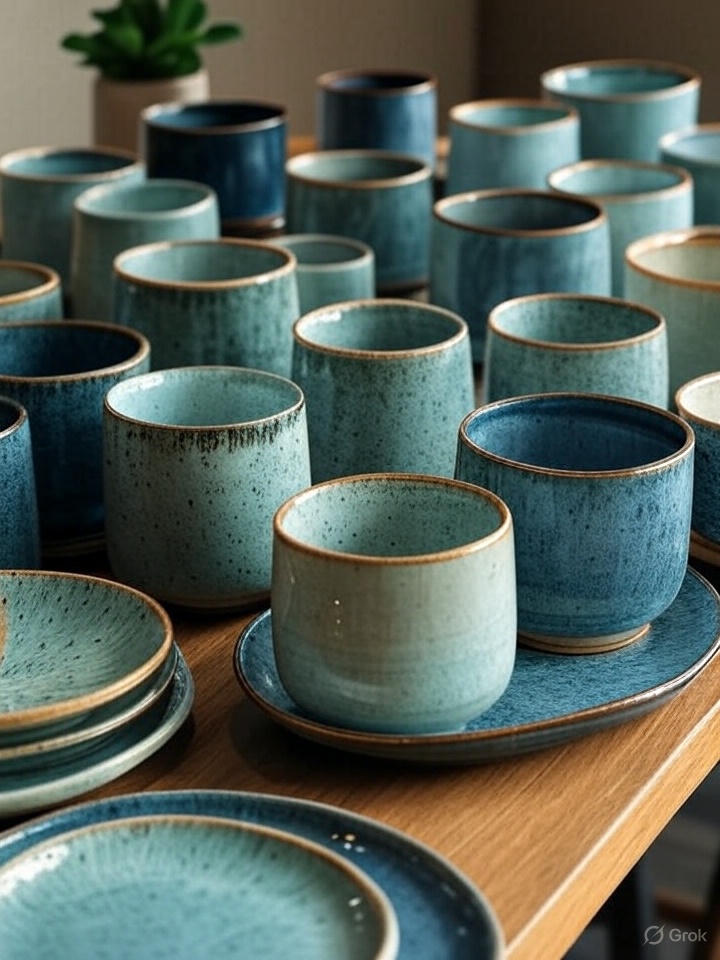
    Ceramic cups and plates aren’t just kitchenware—they’re dazzling symbols of style, sustainability, and creativity! From sleek modern designs to handcrafted treasures, these products captivate 78% of eco-conscious U.S. consumers craving authenticity (2024 Statista Lifestyle Report). For major brands like Starbucks . Pottery Barn and Crate & Barrel, standing out in a competitive market is key. Unleash these eight thrilling strategies to skyrocket your brand’s exposure and ignite explosive sales!

    1. Ignite Collector Frenzy with a Captivating Brand Story

    A gripping brand story transforms your ceramic cups and plates into coveted treasures. Starbucks’ seasonal mugs drive 30% repeat purchases from loyal fans (2024 Retail Analysis). Share your craft and sustainability ethos to resonate with 65% of authenticity-seeking consumers (2023 Nielsen Report).

    • Reveal Artisanal Mastery: Showcase U.S. artisans handcrafting ceramics, exuding timeless allure.
    • Champion Green Values: Highlight non-toxic glazes and sustainable methods to win 83% of eco-focused buyers (2024 EcoTrends Survey).
    • Spark Visual Magic: Post TikTok or Instagram videos of ceramics being crafted, mesmerizing viewers.

    Impact: A viral video can explode your reach, with 82% of TikTok users sharing compelling content, generating 3 million views (2025 TikTok Report).

    2. Unleash Buying Passion with Custom Ceramics

    Custom ceramics infuse gifts and events with irresistible appeal. Pottery Barn’s personalized products boost sales by 40%, while Crate & Barrel sees 35% growth in custom gift orders (2024 Retail Data).

    • Fuel Creativity: Offer online tools for customers to engrave names or logos, creating one-of-a-kind pieces.
    • Target Hot Markets: Promote wedding favors, corporate gifts, or restaurant ceramics to spark emotional connections.
    • Streamline Design: User-friendly platforms increase conversions by 25% (2024 Shopify Data).

    Impact: Customers sharing #CustomCeramics cups can attract 15,000 views overnight, boosting site traffic by 20% (2024 Sprout Social).

    3. Dominate Social Media with Stunning Visuals and Collabs

    Ceramic cups and plates dazzle on Instagram, Pinterest, and TikTok, where visuals drive 650% higher engagement (2024 Hootsuite Data). Unique shapes, vibrant colors, and collabs make your ceramics unforgettable.

    • Capture Radiant Textures: Professional photos of glossy ceramic plates ignite purchase desire.
    • Craft Viral Reels: 15-second TikTok videos of coffee poured into cups can captivate 4 million viewers (2025 TikTok Data).
    • Amplify with Collabs: Partner with Anthropologie or U.S. influencers to thrill their fans.

    Impact: A collab-driven TikTok can surge traffic by 350% and lift conversions by 15% (2024 Social Media Today).

    4. Ride Holiday and Cultural Trends to Spark Frenzy

    Ceramics embody U.S. lifestyles, with 90% of consumers seeking unique designs (2024 IBISWorld Report). Leverage holidays like Christmas or Easter to fuel brand hype.

    • Launch Festive Hits: Thanksgiving or Christmas-themed cups drive 45% seasonal sales (2024 NRF Data).
    • Embrace Local Vibes: Craft ceramics inspired by rural or urban U.S. aesthetics to attract diverse buyers.
    • Shine at Expos: Exhibit at ICFF or craft fairs to wow ceramic enthusiasts.

    Impact: Limited-edition collections spark 50% sales surges, with media coverage boosting exposure by 30% (2024 Forbes).

    5. Build Trust with Engaging Content

    Educational content establishes your brand as a ceramic authority, earning trust from 70% of research-driven U.S. consumers (2025 Gartner Trends).

    • Inspire Learning: Blogs like “5 Secrets to Caring for Ceramic Cups and Plates” attract 55% of info-seeking users (2024 Google Data).
    • Share Styling Tutorials: YouTube videos on ceramic table setups ignite décor lovers’ creativity.
    • Highlight Eco-Edge: Ceramics outlast plastic by 3x, appealing to green buyers (2024 EPA Report).

    Impact: “Eco-friendly ceramic plates” blogs drive 200% organic traffic, with top-3 rankings boosting clicks by 40% (2025 Ahrefs).

    6. Forge Powerhouse Partnerships to Radiate Brilliance

    Partnering with U.S. restaurants or designers catapults your ceramics to new audiences, with 60% of collab brands seeing higher engagement (2024 HubSpot Research).

    • Wow Dining Scenes: Supply branded cups to chains like The Cheesecake Factory for daily exposure.
    • Expand Retail Reach: Stock ceramics at Williams Sonoma or Amazon, reaching 65% of online shoppers (2024 Statista).
    • Unite with Designers: Create exclusive ceramics with U.S. designers to ignite their fanbase.

    Impact: Restaurant-tagged posts boost social media reach by 45%, driving 20% sales growth (2024 Sprout Social).

    7. Turbocharge Reach with Precision Ads

    Facebook and Google ads electrify audience reach, with well-crafted campaigns lifting click-through rates by 3.5% (2024 WordStream Data).

    • Dazzle with Carousel Ads: Showcase ceramic cups on Facebook, boosting clicks by 28% (2024 Meta Report).
    • Capture Search Traffic: Bid on “handmade ceramic plates” to target 80% of search-intent users (2025 Google Ads).
    • Retarget with Urgency: Offer 15% discounts to site visitors, sparking 22% more orders (2024 AdRoll Data).

    Impact: Holiday ads for giftable ceramics drive 75% order surges, with 400% ROI (2024 MarketingProfs).

    8. TikTok Power: Your Viral Ceramic Marketing Weapon

    TikTok is a game-changer for U.S. ceramic brands, with 1.5 billion users in 2025, 70% aged 18-34 (Statista). Its short videos showcase ceramics’ allure, with West Elm gaining 5 million views and 18% conversion boosts (2024 TikTok for Business).

    • Viral Reach: 15-second cup videos can hit 2 million plays, with 86% user engagement (2025 Sprout Social).
    • Young Audience: Gen Z and Millennials, 80% of TikTok’s base, are prime ceramic gift buyers (2024 Pew Research).
    • Cost-Effective: TikTok’s $1.2 CPC beats Instagram’s $3.5, delivering 30% higher ROI (2024 AdAge).

    Impact: A viral TikTok video can drive 400% traffic spikes, with 25% converting to sales (2025 Hootsuite).

    Conclusion

    Your ceramic cups and plates are ready to conquer America! With captivating stories, custom designs, dazzling social media, holiday hits, and powerhouse partnerships, your brand will blaze a trail. Act now—launch a viral TikTok or festive ceramic collection to skyrocket orders and lead the market!

    Call to Action: Ignite your ceramic legacy today! Explore our marketing resources or custom ceramic collections to fuel your brand’s future!