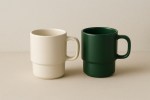
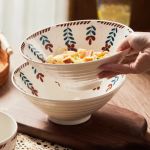
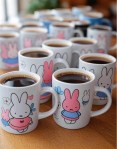
• Stein mugs are a cornerstone of heritage beverage branding. From breweries to museums, these iconic ceramic mugs and tankards represent tradition, legacy, and craftsmanship. Stein mugs and branded tankards are more than traditional drinkware—they are powerful heritage branding assets. In today’s beverage market, where brand loyalty and cultural storytelling matter more than ever, these ceramic pieces serve as lasting symbols of identity, authenticity, and tradition.

    This article explores seven impactful ways to integrate steins and tankards into your beverage marketing strategy.
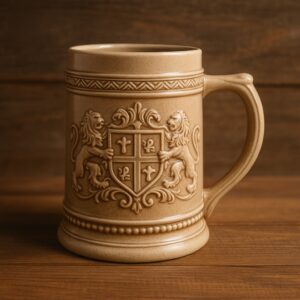
    traditional ceramic stein mugs with heraldic lion relief design on rustic wooden surfac

    1. Express Brand Legacy through Historic Design

    Ceramic steins have long been a symbol of European beer heritage. Incorporating historical elements—like engraved logos, ornate lids, or vintage shapes—adds cultural depth to product design.

    Examples:

    • Timothy Taylor’s Brewery (UK) launched commemorative steins featuring their founding year and signature ale.
    • Heritage whiskey and cider brands use medieval or Celtic imagery to emphasize tradition.

    Tips: Use raised relief, hand-painted emblems, or bronzed finishes to evoke craft and heritage.

    2. Drive Retail Value with Souvenir Marketing

    Steins are ideal as premium souvenirs that combine function and memory.

    Example: The British Museum partners with artisans to create stein mugs linked to exhibitions, displayed prominently in museum gift shops and on collector platforms.

    Limited editions with artist signatures or production numbers build exclusivity and collectible appeal.

    Also Ideal For:

    • Brewery tour merchandise
    • Holiday gift launches
    • Limited-run museum collaborations

    Read more on souvenir marketing.

    3. Enhance Experience with Tourism & Events

    Branded steins are popular in hospitality settings tied to cultural identity.

    Example: Hofbräuhaus München sells engraved mugs as part of its Oktoberfest experience. Visitors purchase steins as functional drinkware and long-term keepsakes.

    Blackrocks Brewery in the U.S. offers a member-based “Mug Club,” storing each patron’s personal tankard on-site. This not only drives loyalty but also adds value to in-person engagement.

    4. Target Cultural & Niche Lifestyles

    Cultural drinkware appeals to targeted markets:

    • English tea houses → vintage porcelain tankards
    • Irish pubs → Celtic crest mugs
    • Japanese gift markets → seasonal folklore steins

    These designs connect deeply with cultural storytelling. Pair your ceramic mugs with premium packaging and a backstory insert to increase perceived value.

    5. Leverage Artisan Production for Prestige

    Handmade steins communicate craftsmanship and align with:

    • Slow-made, ethical consumption
    • Sustainable retailing trends
    • Premium product positioning

    Example: Food52’s artisanal tankard series generated strong engagement through storytelling and ethical sourcing.

    For export markets, ensure FDA/LFGB compliance and emphasize eco-friendly glazes.

    6. Elevate Gifting Strategies with Premium Packaging

    Branded tankards become excellent corporate gifts and VIP giveaways when paired with elegant boxes, certificates, or seasonal wrapping.

    Suggested uses:

    • Anniversary campaigns
    • Brand milestone celebrations
    • Press kit inclusions

    Add a QR code linking to your brand story or product history video to enhance engagement.

    7. Collaborate Across Arts, Travel & Merchandising

    Unlock greater exposure through collaborations:

    • With regional illustrators or folk artists → launch limited cultural editions
    • With airport duty-free retailers → offer travel-themed souvenir steins
    • With fashion or brewery brands → cross-sell merchandise bundles

    These partnerships build backlinks, media coverage, and brand affinity across industries.

    Conclusion: Turn Legacy Into Loyalty

    From historical storytelling to experiential engagement, steins and tankards embody more than beverage service. They carry emotion, history, and tangible brand meaning.

    If your beverage brand values heritage, these mugs could become iconic assets in your marketing toolkit.

    📩 Ready to design a cultural mug series? Contact SharmeeHouse for heritage-driven, customized stein and tankard solutions.
  • Custom Beer Mugs for Beverage Industry Branding & Loyalty

    In today’s fast-paced beverage industry, where customer retention and visual branding are more critical than ever, custom beer mugs have become powerful tools for connecting with audiences. Whether you’re a global brewery, a local bar, or a themed restaurant, ceramic beer mugs can help bridge brand identity and customer loyalty.

    This article breaks down seven strategic ways that custom beer mugs can elevate your brand—from visual storytelling and customer engagement to social sharing and merchandise revenue. Let’s explore how these ceramic vessels serve more than beer—they serve branding purpose.

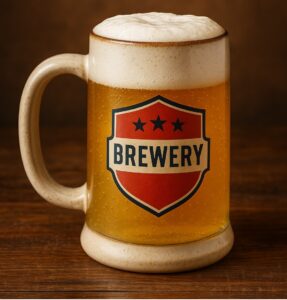
    custom beer mugs filled with golden beer on a rustic wooden table, perfect for brewery branding campaigns

    Why Custom Beer Mugs Work for Beverage Branding

    Durability, customization, and social shareability are key reasons why ceramic beer mugs outperform disposable or generic drinkware in a branding context.

    • Brand recall: Customers remember unique drinkware associated with positive moments.
    • Repeat impressions: Durable mugs are reused, offering long-term exposure.
    • Photogenic for social media: A well-designed mug becomes a visual hook.
    • Collectible and merchandisable: Limited edition designs increase perceived value.

    For beverage businesses competing on customer experience, these benefits translate into real ROI.

    Industry Use Cases: From Breweries to Bars

    1. Brewery Merchandise Programs

    Top breweries such as New Belgium Brewing and Sierra Nevada integrate ceramic mugs into their merchandise lines. These mugs are not just souvenirs; they reinforce identity and build local pride.

    Pro tip: Pair mugs with drink tokens or loyalty programs to drive return visits.

    2. Sports-Themed Promotions

    During events like the FIFA World Cup or Super Bowl, pubs release team-branded mugs in team colors. These mugs turn fans into brand advocates.

    Example: In the UK, select bars created collectible beer mugs with Premier League club logos, leading to sold-out inventories and increased press coverage.

    3. Corporate Anniversary Giveaways

    B2B beverage manufacturers such as equipment suppliers or bottlers give away branded mugs during product launches, trade shows, or milestone anniversaries. This turns swag into storytelling.

    4. Restaurant Loyalty Programs

    Restaurants use mugs in creative loyalty strategies:

    • “Bring Your Mug" refill discounts
    • Limited-edition mug giveaways for regulars
    • Personalized mugs for VIP guests

    Enhance Social Media and SEO with Shareable Drinkware

    Well-designed beer mugs naturally appear in customer-generated content (UGC). On platforms like Instagram, hashtags like #beermugcollection, #brewerylife, and #mybeermoment show how beer mugs amplify visibility.

    Best Practices:

    • Run a hashtag campaign like #MyBrewMug
    • Encourage patrons to tag your brand for discounts
    • Partner with micro-influencers for drinkware showcases

    By leveraging social proof, your brand benefits from organic backlinks, domain authority growth, and higher search visibility.

    Seasonal & Limited Edition Designs Drive Urgency

    Beer mugs are perfect for limited edition campaigns tied to seasons or local festivals like Oktoberfest:

    • Oktoberfest themes
    • Summer ale promotions
    • Holiday-themed graphics (e.g., Christmas, Halloween)

    Offering limited-run designs not only increases sales but adds urgency and collectibility.

    Collaborations That Work

    • Co-Branding with Artists: Pair your beer brand with a ceramic artist to produce signature mugs.
    • Collabs with Apparel Brands: Streetwear x Beer Mug releases work well for Gen Z audiences.
    • Travel Retail Partnerships: Position collectible mugs at airport duty-free shops as souvenirs.

    Conclusion: Brand Impact That Lasts

    From breweries and bars to global restaurant chains, custom beer mugs serve as more than just containers. They become vehicles for loyalty, conversation, and culture. With the right design, marketing strategy, and distribution model, your mugs can live far beyond the glass—driving long-term value, both online and offline.

    Ready to brew up your own branded mugs? Contact SharmeeHouse today to create certified, customizable ceramic drinkware that leaves a lasting impression.

  • How to Save on Bulk Orders? A Cost & Lead Time Guide for Custom Branded Mugs

    When sourcing custom ceramic mugs or promotional pottery mugs in bulk custom mugs, companies are not just buying a product—they are investing in brand visibility, client engagement, and long-term usability. However, cost-efficiency, reliable delivery times, and regulatory compliance are critical concerns, especially for enterprises in the US, Europe, and Japan.

    Here is a complete guide for procurement professionals looking to optimize cost, reduce lead time, and make smarter decisions when buying custom mugs at wholesale scale.

    1. Start with the Right Ceramic Manufacturer

    Choosing a professional ceramic manufacturer with experience in international trade is the first step to reduce both cost and risk. Look for a factory that offers:

    • Minimum Order Quantity (MOQ): 3000 pcs per style
    • Customization: 1–4 color logo printing, engraving, or full wrap designs
    • Lead Time: 30–40 days after final design approval
    • Certifications: FDA / LFGB compliant for food safety
    • Export Experience: Familiar with US, EU, and JP regulations

    2. Evaluate Materials & Processing for Cost Optimization

    The material and production method significantly affect both cost and product quality.

    Material TypeProsConsiderations
    PorcelainLight, durable, elegant appearanceHigher cost, often used for premium gifts
    StonewareRobust, handmade look & feelSlightly heavier; artisanal appeal
    EarthenwareLower cost, wide color rangeLess durable, suitable for giveaways

    Processing Impact on Cost

    To reduce unit costs:

    • Limit custom shapes: Standard molds save tooling cost.
    • Simplify logos: One or two color prints are cheaper than full-color.
    • Avoid complex handles or embossing unless brand image requires it.

    ⚠️ Tip: Use digital proofing to preview designs and avoid costly production mistakes.

    3. Optimize Packaging for Protection and Presentation

    Safe and efficient packaging is crucial for international shipments:

    • Standard Bulk Pack: Cost-effective for internal distribution
    • Custom Gift Boxes: Ideal for client giveaways or promotional kits
    • Palletization & Container Use: Maximize space in 20’ or 40’ containers for lower freight/unit cost
    • Drop Test Compliance: Ensure packaging passes drop/shock protection for fragile ceramics

    Packaging can also be customized with your branded inserts or message cards, enhancing brand impact on delivery.

    4. Consider Legal & Import Compliance: FDA, LFGB & HS Codes

    Ceramic mugs used for food or beverages must meet food safety regulations:

    • United States: Must be FDA-compliant – particularly for glaze and print safety
    • European Union: Follow LFGB standards for materials in contact with food
    • Japan: Must comply with the Food Sanitation Act

    Include the correct HS Code (e.g., 6912.00) on customs documents and ensure your supplier includes accurate material declarations and lab test reports.

    ✅ At Sharmee House, all our ceramic mugs are FDA and LFGB compliant, with full export documentation.

    5. Lead Time & Freight: Plan Ahead for Smooth Delivery

    Typical timeline from design to delivery:

    StageTime Required
    Design confirmation & prototyping5–7 working days
    Mass production30–40 days
    Quality inspection & packing3–5 days
    Sea freight to USA (West Coast)Approx. 18–22 days
    Sea freight to Europe (Rotterdam)Approx. 25–30 days
    Air freight (optional)5–7 days (higher cost)

    Plan for minimum 60 days total for sea shipment delivery, or work with your supplier on a rolling production & delivery schedule if needed.

    6. Reducing Costs Without Compromising Quality

    Here’s how to balance cost and quality in bulk procurement:

    • Choose bulk handmade mugs in standard shapes
    • Limit design complexity and use fewer print colors
    • Opt for standard packaging unless gifting is a core use
    • Consolidate orders with other departments or product lines
    • Work with experienced exporters who understand your compliance needs

    7. Conclusion: Better Planning Leads to Better Margins

    Bulk mug procurement is about more than just unit price—a smart buying strategy saves you time, reduces risk, and enhances your brand’s image with clients and partners. By partnering with an experienced ceramic manufacturer who understands export logistics and compliance requirements, you can streamline your procurement process and get the most value out of your investment.

    Need help with custom branded mugs? Sharmee House specializes in bulk custom ceramic mugs for international B2B clients. Contact us for samples or quotes tailored to your project.